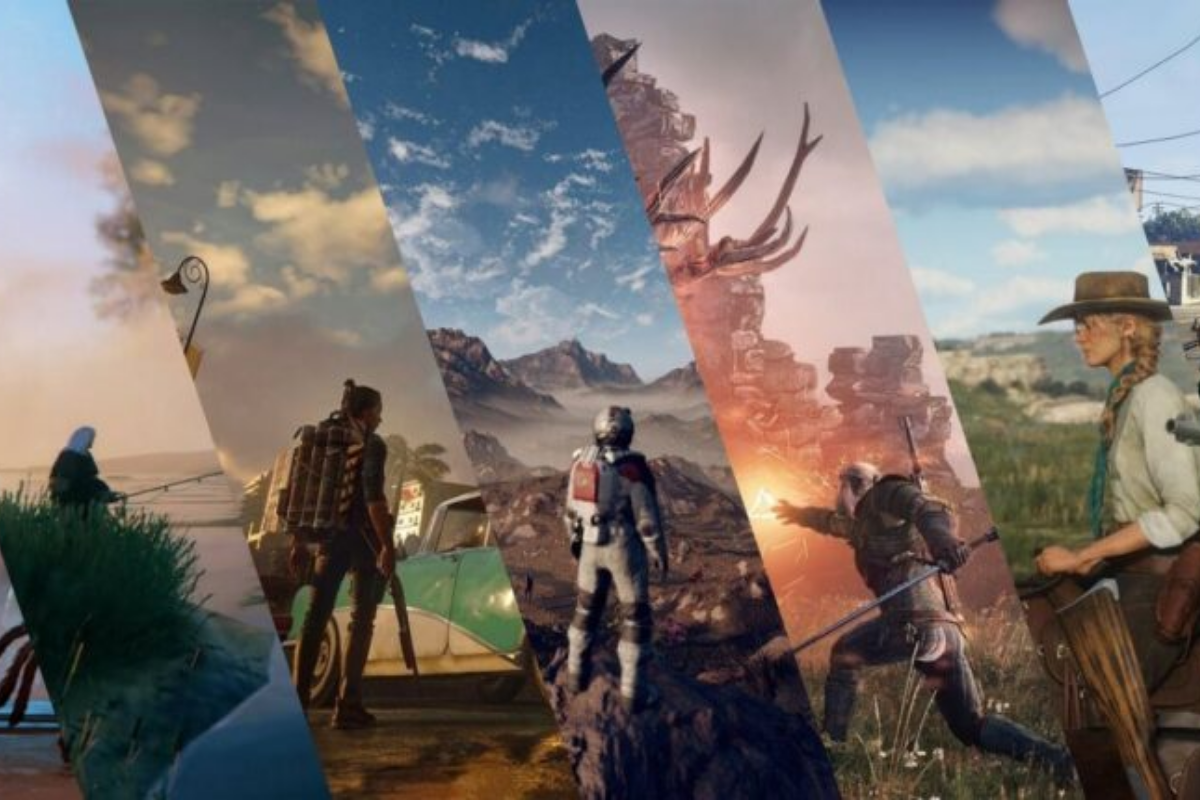
The gaming industry has reached a pivotal juncture where the virtual landscape serves as a primary “third place” for global interaction. In 2026, engaging with an open world game 2026 is less about completing a story and more about participating in a living digital society. As traditional social spaces migrate online, these vast environments have evolved to support complex human behaviors, ranging from collaborative economy-building to expressive digital art. The industry is no longer just selling a software product; it is curating a cultural platform that accommodates the human desire for unscripted agency and shared exploration in an increasingly digital world.
| Industrial Pillar | Cultural Significance | Leading Example |
|---|---|---|
| Systemic Freedom | Empowers player creativity and problem-solving. | Zelda: Tears of the Kingdom |
| Narrative Weight | Reflects modern moral and social complexities. | Baldur’s Gate 3 |
| Environmental Art | Provides a digital escape into “authentic” history. | Ghost of Yotei |
| Live Evolution | Fosters long-term community through persistence. | No Man’s Sky |
From Expansion to Intention: The Strategic Shift in Open world game 2026 Design
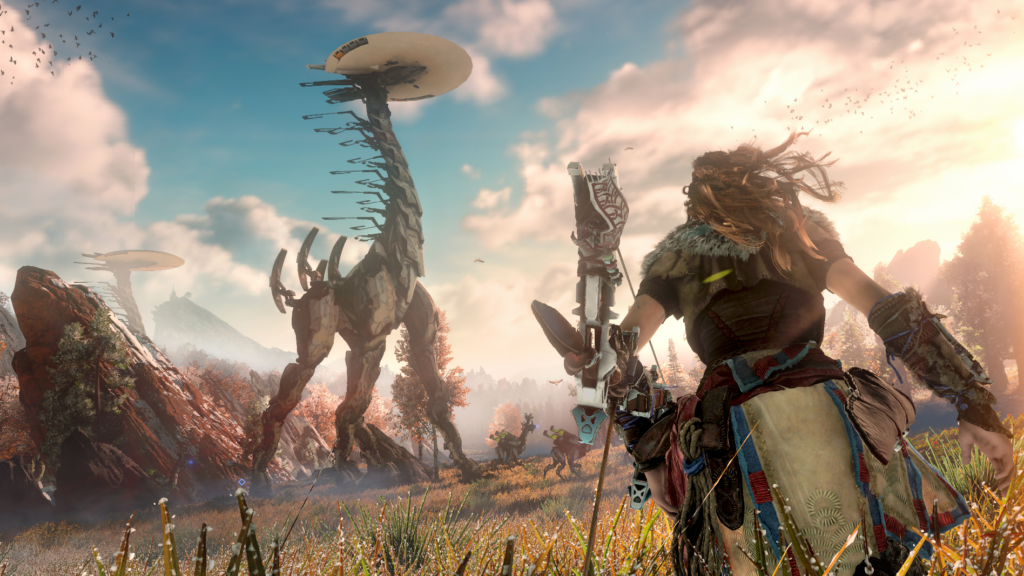
The previous decade’s obsession with “map size” has finally given way to an industrial philosophy of “environmental density.” Developers have pivoted toward a more sustainable design model that prioritizes deep, hand-crafted interactions over the sprawling, empty kilometers of the past. This shift is a direct response to a mature consumer base that values time-efficiency and narrative soul. In 2026, the success of a top open world RPG for 2026 is measured by how much “life” is packed into its cities and forests, rather than the raw acreage of its terrain, leading to more meaningful and less exhausting virtual experiences.
- Vertical Urbanism: Using height and underground depth to maximize play space without expanding map borders.
- Hand-Crafted Nuance: Moving away from procedural generation to ensure every quest feels unique and authored.
- Persistent Impact: Designing worlds where a player’s social or economic choices have a lasting visible effect.
Agency as the New Currency in Exploration Games
Cultural observers have noted that the most successful titles of the year are those that treat the player as an architect rather than a spectator. There is an industry-wide move toward “emergent gameplay,” where the developers provide the tools and physics, but the players create the fun. This shift in power dynamics has transformed exploration games into canvases for personal expression. When players share their unique solutions or discoveries on social media, they are not just showing off a game—they are showcasing their own ingenuity, which has become a primary driver of modern gaming culture.
Digital Preservation and the Value of Historical Authenticity
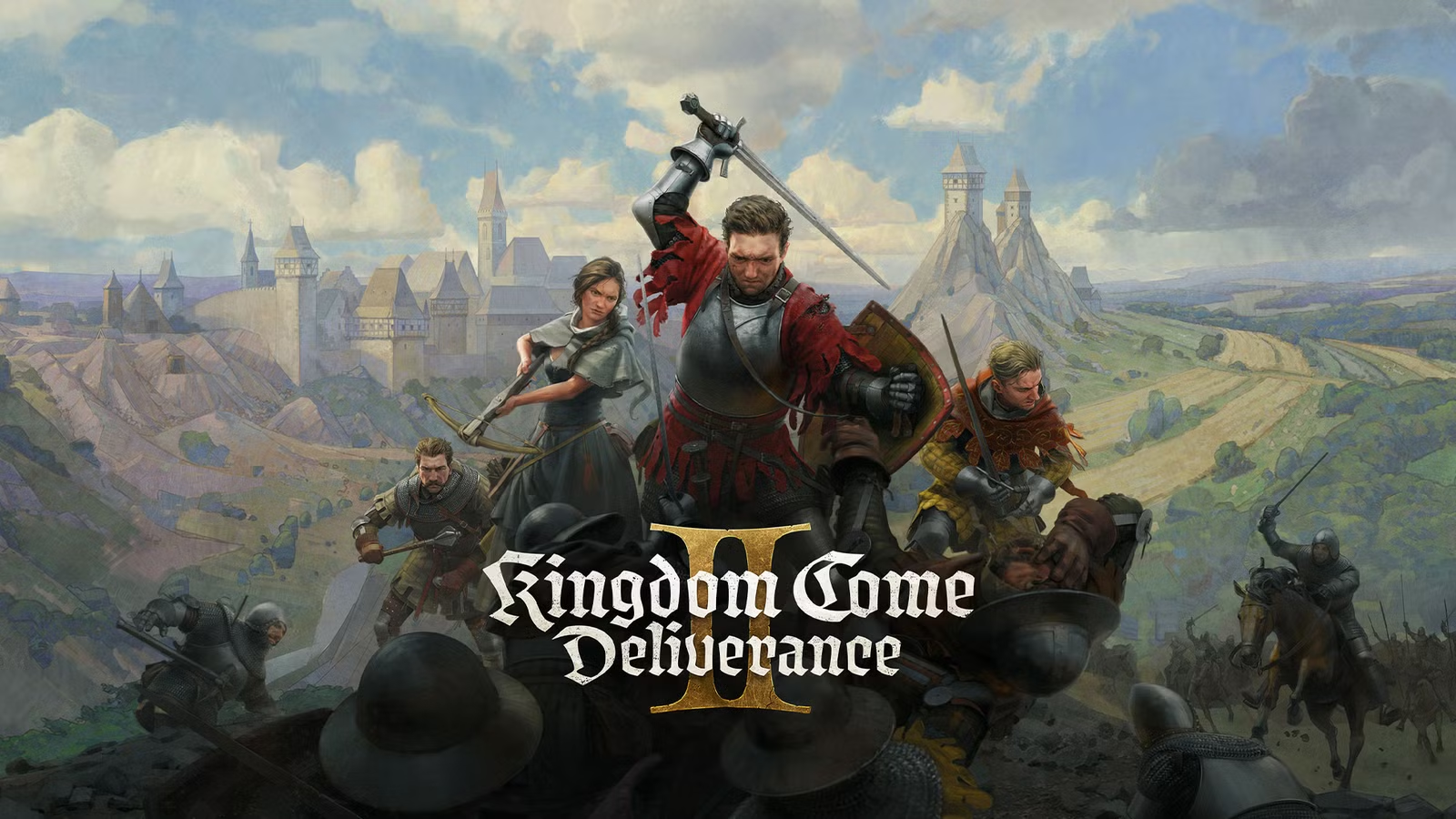
A significant trend within the adventure games sector is the rise of the “interactive museum.” Industry leaders are increasingly using high-fidelity engines to preserve and recreate cultural heritage with staggering accuracy. Whether it is the medieval realism of Kingdom Come: Deliverance 2 or the feudal beauty of Ghost of Yotei, these titles function as time machines. This movement toward authenticity reflects a broader cultural hunger for “truth” in digital media, allowing players to experience the socio-political textures of the past through a sensory lens that traditional history books simply cannot match.
- Folkloric Integrity: Consulting with historians to ensure myths and legends are represented with cultural respect.
- Atmospheric Realism: Prioritizing the “vibe” of an era—its lighting, sounds, and social hierarchy—over modern tropes.
- Educational Immersion: Using “Discovery” modes to allow for non-violent exploration of historical reconstructions.
The Forever World: Redefining the Lifecycle of PC and Console Titles
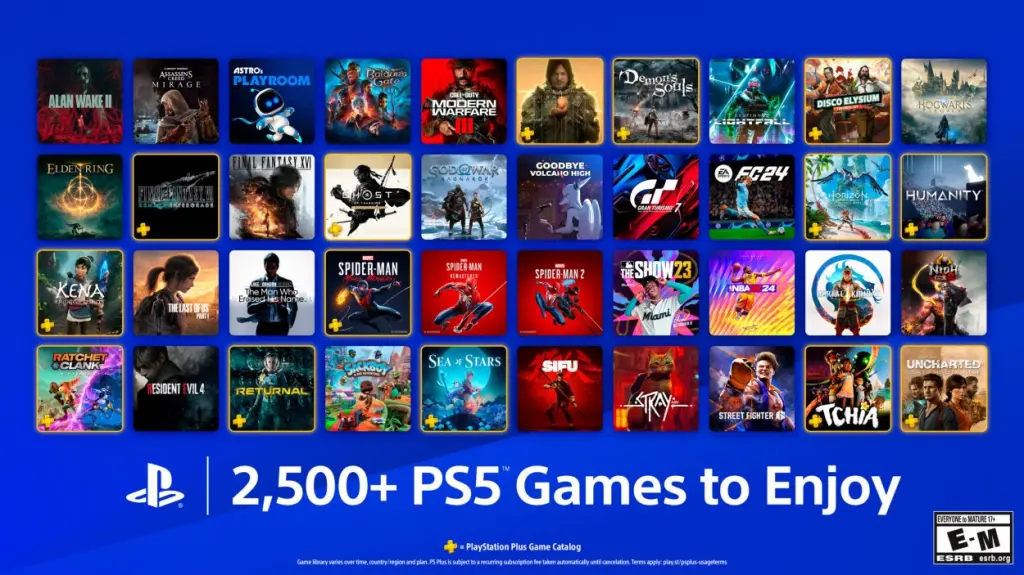
The industrial lens has shifted focus from the “launch day” to the “launch year,” emphasizing the longevity of live-service evolutions. For players on PS5 games and Xbox Series X platforms, a game is now viewed as a long-term investment. Titles that were once considered flawed at launch, such as Cyberpunk 2077, have redefined industry standards by proving that a world can be redeemed and expanded into a cultural titan. This “Forever World” model ensures that communities remain tethered to a digital space for years, turning a single purchase into a decade-long journey of evolving content and social interaction.
Concluding Thoughts: The Maturity of the Modern Sandbox – Open world game 2026
Looking at the current landscape, it is clear that the open world game 2026 has matured into the ultimate form of modern expression. We have transitioned from a time of technical gimmicks into an era where virtual worlds possess genuine cultural weight and industrial sophistication. These spaces are no longer just about the “game”; they are about the memories formed, the communities built, and the personal agency exercised within them.
As we anticipate the next generation of genre-definers like The Elder Scrolls VI and GTA 6, we do so with the understanding that the bar has been permanently raised. The industry is no longer just building maps—it is building legacies. For the player, 2026 is a year of unparalleled freedom, offering a diverse array of worlds that are as deep as they are wide, and as human as they are digital.
About the Author