Sports popularity ranking Australia – Ask ten different Australians what the number one sport is, and you will get ten different answers. Then, a fight will probably break out about whether rugby league is “real footy” or whether cricket is too boring to watch for five days.
Everyone knows the heavy hitters: Cricket, AFL, NRL, Swimming, and Surfing. But here is the thing nobody talks about enough. The sports popularity ranking Australia has actually shifted significantly in the last few years. Not dramatically, but enough to notice if you are paying close attention.
We aren’t just looking at who fills a stadium on a Saturday afternoon. That would be too simple. We have to look at TV ratings, weekend participation numbers, how many kids are signing up, and honestly? We have to look at the vibes. Which sport is actually buzzing right now?
So, grab a cold drink and settle in. We are putting the heavyweights head-to-head.
The Heavyweight Winter War: AFL vs. NRL – Sports popularity ranking Australia
If you live in Victoria or South Australia, you probably just rolled your eyes at me for even comparing these two. If you live in New South Wales or Queensland, you rolled your eyes for a completely different reason. The winter codes are tribal. You are born into one or the other, and you usually die in that jersey.
But the data is telling a very specific story right now.
AFL (Aussie Rules) has always claimed the crown for live attendance. And honestly? They deserve the bragging rights. They pack the MCG like sardines during a sale. The atmosphere at a Collingwood versus Carlton game is genuinely electric. There is nothing else like it in the country.
However, there is a crack in the armor. Recent reports from inside the league suggest that crowds are actually down this season compared to previous years. Fans are apparently getting frustrated. Ticket prices keep going up. The cost of a pie and a beer at the ground is almost offensive. And the rule changes? Don’t even get the purists started on the stand rule. People are choosing to watch from the couch instead of braving the public transport and the expensive concession stands.
NRL (Rugby League) is currently the comeback kid in this story. While the AFL is struggling to keep bums on seats, the NRL is enjoying a quiet surge. They have reported a noticeable increase in crowd attendance over the last twelve months. The Thursday night TV battle is where it gets really interesting. It is a split screen war every single week.
AFL Thursday Night Football still draws huge numbers. But the NRL is right there on its heels, breathing down its neck. The gap is closing. And if you look at the digital engagement? The NRL is winning that battle easily. Younger fans are engaging with League highlights on social media at a much higher rate than AFL content. It is a two-horse race, but the momentum is swinging towards the code with the Steeden ball.
The Summer King: Cricket Still Rules the Heat
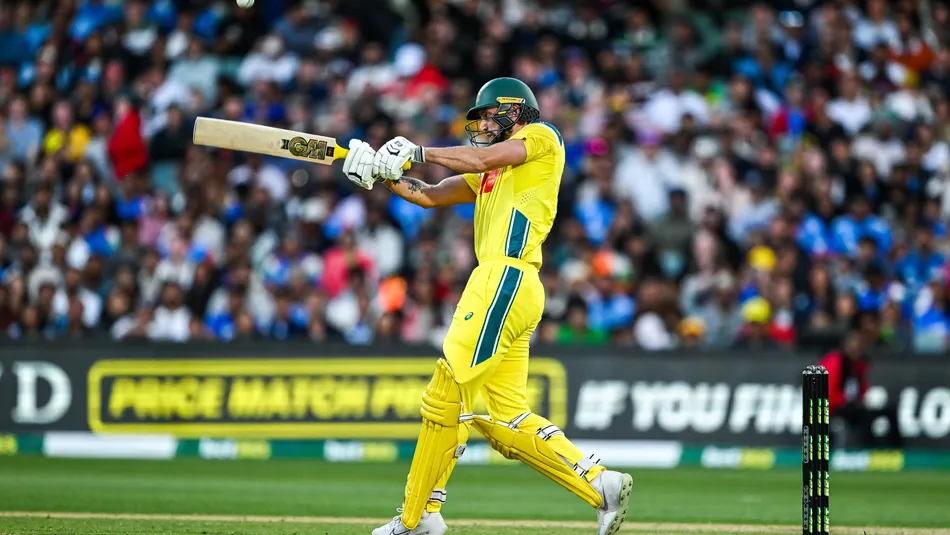
You can argue about winter until you are blue in the face. But when the sun is blazing, the smell of the BBQ is drifting over the back fence, and everyone is sweating through their shirts? That belongs to Cricket.
If we look at the raw numbers for the sports popularity ranking Australia, the summer sport is flexing harder than almost any other code right now. The last summer season was massive. Not just good. Massive.
The Ashes series drew ridiculous crowds. People showed up in droves to watch Australia put the pressure on England. The Boxing Day Test at the MCG? That was a full house. You couldn’t find a spare seat if you tried. The atmosphere was described by international commentators as one of the best they had ever experienced.
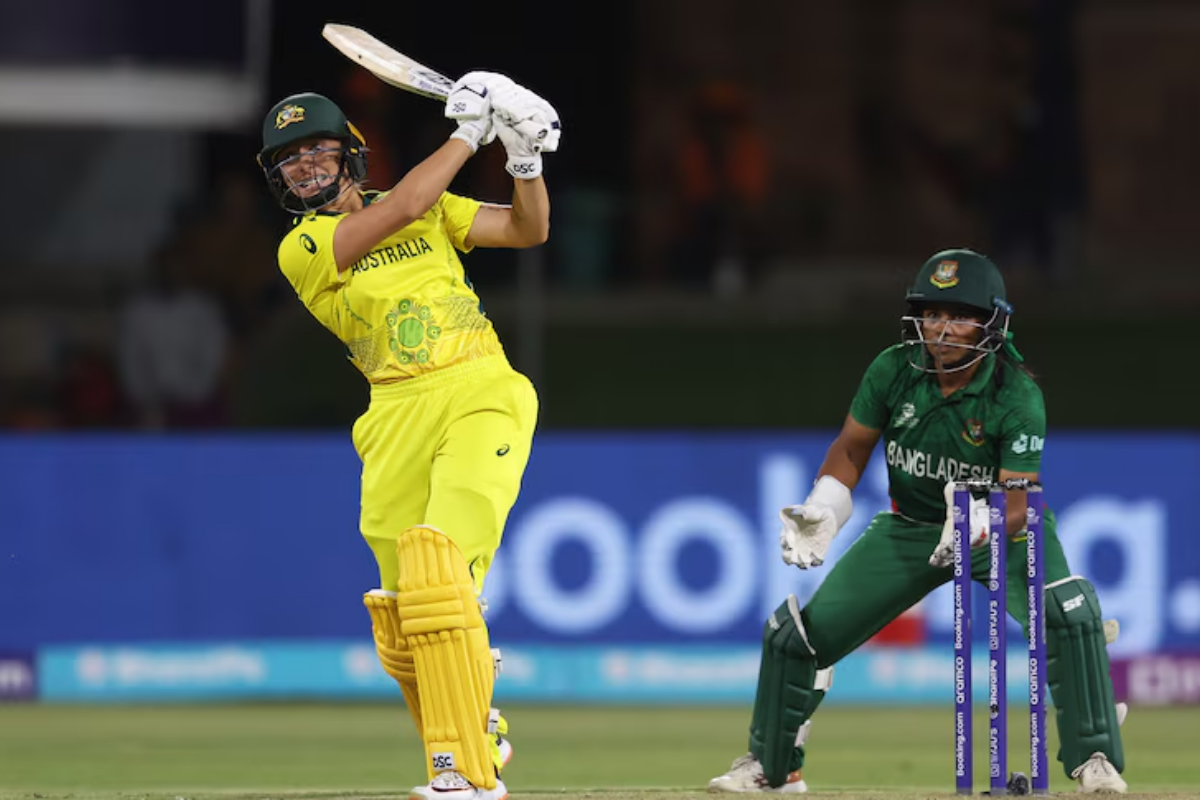
Then you have the Big Bash League. The BBL had a bit of a slump a few years ago. People were getting bored. The format felt stale. But the league made some changes. They shortened the games. They encouraged more aggressive batting. And guess what? The fans came flooding back. Total attendance jumped significantly. Families love the BBL because it finishes before the kids get too tired. The party atmosphere in the outer oval is unmatched in Australian sport.
While AFL and NRL fight to the death for the winter crown, Cricket is sitting quietly on the throne for the rest of the year. And the grassroots numbers are scary good for rival codes. Tens of thousands of kids aged five to twelve signed up to play cricket last summer. That is the future. And right now, that future looks very yellow and green.
The Participation Champions: Swimming and Surfing
Here is where the ranking gets tricky. Because if you only look at TV ratings, you miss half the story. Australia is a coastal nation. Over eighty percent of us live within an hour of the beach. That changes everything.
Swimming is the quiet giant of Australian sport. Nobody yells about swimming at the pub. There are no riots after a swimming match. But the participation numbers are staggering. Millions of Australians swim regularly. Not competitively, necessarily. But for fitness, for fun, for therapy.
Think about it. Every suburb has a pool. Every beach has a flagged area. Swimming is the first sport most Australian kids learn. Before they can kick a footy or hold a bat, they can float. And when the Olympics roll around? The whole country stops to watch the swimming. Australia has won more gold medals in the pool than in any other sport combined. That history matters. Dawn Fraser, Ian Thorpe, Grant Hackett. These are household names in a way that many other athletes are not.
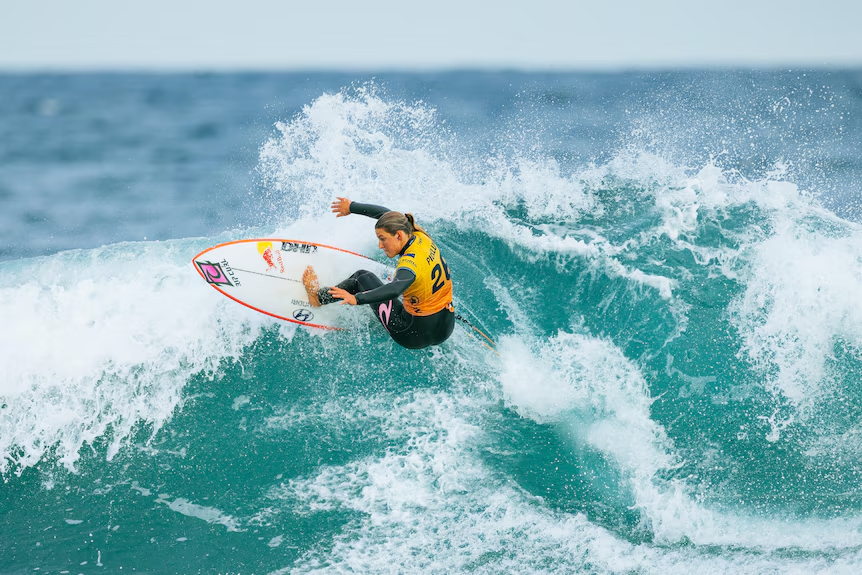
Surfing is the cultural heart of Australia. You cannot separate surfing from the national identity. It is in our movies, our music, our fashion. Millions of active surfers paddle out every week. One in three surfers in Australia is a woman now, which is a huge shift from twenty years ago.
The surfing lifestyle has also become a public health battleground. You will see signs at every beach reminding you to wear sunscreen. Australia has one of the highest rates of skin cancer in the world. The authorities are finally doing something about it. The message is drilled into every child from birth: slip, slop, slap. Surfing culture is the vehicle for that message. You cannot surf without being aware of the sun. You cannot spend a day at Bondi without seeing a dozen reminders to reapply your SPF.
Surfing also brings international tourism dollars into the country like no other sport. People from all over the world travel to Australia just to chase waves. They spend money on flights, accommodation, boards, and lessons. That economic impact is real.
The Rising Dark Horse: Football (Soccer)
We cannot ignore the round ball anymore. For years, soccer was dismissed as a migrant sport or a kids’ game you grew out of. Those days are long gone.
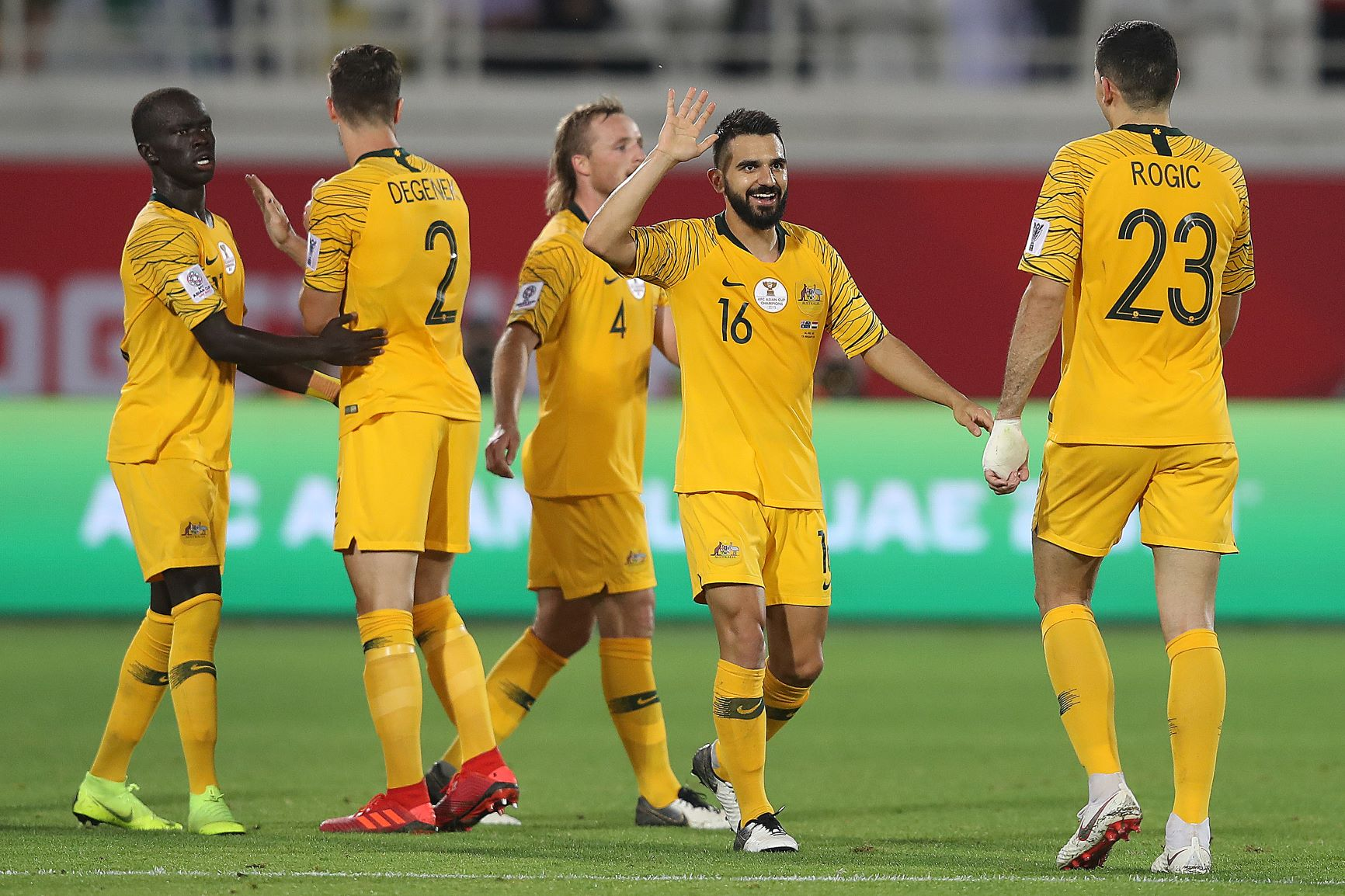
The Matildas changed everything. Their run in the recent World Cup captured the nation in a way that nobody expected. People who had never watched a full soccer match before were crying on their couches at 3am. That emotional connection has translated into real growth.
Participation rates for soccer are through the roof. Almost half of all children aged six to thirteen play football. That ties it with swimming for the most popular sport among school-aged kids. That is not a small stat. That is a tidal wave.
The problem for soccer in the sports popularity ranking Australia has always been the professional league. The A-League struggles to get mainstream attention. It struggles to compete with the winter codes. But the national teams? The Socceroos and the Matildas? Those are premium products. When the Matildas play a friendly match, the ratings beat NRL games on the same night. That used to be unthinkable.
Australia has also produced some genuinely world-class footballers over the years. Mark Viduka, Harry Kewell, Tim Cahill. These are names that are respected in Europe, not just at home. The pipeline of talent is getting stronger every year.
The Niche Giants: Golf and Tennis – Sports popularity ranking Australia

We have to give credit where it is due. Golf and Tennis hold their own in this country.
Golf is expensive. There is no way around that. The equipment costs a fortune. The green fees are high. Club memberships are out of reach for many families. But despite that, Australia has more golf courses per capita than almost any other nation. That is a wild fact. You are never far from a course, even in the middle of a city.
Around one point three million Australians play golf. That is a huge number for a sport that requires so much time and money. The warm weather helps. You can play golf in Australia almost every weekend of the year. You cannot say that about England or Scotland.
Tennis has a special place in the summer calendar. The Australian Open is the first Grand Slam of the year. It kicks off the global tennis season. And Australians show up for it. The venues are packed. The ratings are strong.
Australia has produced legends of the sport. Rod Laver. Ken Rosewall. Lleyton Hewitt. And now a new generation is coming through. The infrastructure is there. There are thousands of tennis courts across the country, many of them free to use in public parks. That accessibility matters.
The Final Ranking (Based on Real-World Metrics) – Sports popularity ranking Australia
So, where does everything land? If we have to put a number on it, here is how the sports popularity ranking Australia looks right now, from the bottom to the very top.
| Rank | Sport | Why It Ranks Here | The Problem It Faces |
|---|---|---|---|
| 10 | Golf
Niche Elite
|
Huge participation (1.3M players) & most courses per capita. | Expensive, exclusive, slow to adapt to younger audiences. |
| 9 | Tennis
Global Stage
|
Australian Open is a global event. Free public courts everywhere. | Struggles to maintain interest outside of January. |
| 8 | Surfing
Cultural Icon
|
Cultural icon. Millions of active surfers. Tourism magnet. | Hard to watch as a spectator sport. No national league. |
| 7 | Netball
Grassroots Giant
|
Over 340K registered players. Dominant women’s sport in Australia. | Low mainstream TV coverage. Struggles for male viewership. |
| 6 | Rugby Union
Tradition Sport
|
International presence. Bledisloe Cup still matters. | Participation is shrinking. Losing talent to NRL and overseas. |
| 5 | Football (Soccer)
Rising Force
|
Matildas effect is real. Highest youth participation. | A-League is weak. Professional product lags behind rivals. |
| 4 | Swimming
Olympic Engine
|
Olympic gold machine. Huge casual participation. | Not a weekly spectator sport. Peaks every four years. |
| 3 | NRL
Commercial Power
|
Crowds are surging. Digital engagement is winning. | Still a two-state sport. Victoria ignores it. |
| 2 | AFL
Cultural Giant
|
Massive TV reach. Best live atmosphere in the country. | Crowds are shrinking. Ticket prices are hurting fans. |
| 1 | Cricket
National Obsession
|
Record summer crowds. BBL revival. Grassroots boom. | Five-day Tests are a hard sell for casual viewers. |
The Final Verdict – Sports popularity ranking Australia
If you force us to pick a single winner for the sports popularity ranking Australia, it has to be Cricket.
Why? Because it bridges every gap. It has the heritage of Don Bradman and Shane Warne. It has the modern flash of the BBL. It has the sheer weight of attendance numbers that the other codes cannot match during summer.
When the NRL and AFL are killing each other for the winter crown, Cricket is quietly selling out the Boxing Day Test while everyone is on holiday and relaxed. It is the sport of backyard barbecues, beach cricket with a broken bat, and long summer afternoons that stretch into evenings.
That said, the gap is closing. Soccer is coming. The NRL is hungry. Swimming will always be there. Australian sport has never been more competitive. And honestly? That is a great thing for fans. More competition means better products, cheaper tickets, and more choices on the weekend.
But tell us we are wrong. We know you want to. Every Australian has an opinion on this. And that is exactly why we love sport in this country
About the Author