Most Popular Sports Australia – Type / to choAsk ten Australians what the number one sport is, and you might get ten different answers. That’s the beauty — and the chaos — of this country’s sporting obsession.
Instead of a boring list, let’s compare five giants head-to-head. Not just by TV ratings, but by vibe, participation, and who actually shows up on a freezing Sunday morning.
Here is how AFL, cricket, soccer, tennis, and surfing stack up in 2026.
1. AFL – The Undisputed King of Attendance

Let’s get this straight: no one fills stadiums like Aussie Rules.
In 2026, the AFL continues to pull over 100,000 people to the Grand Final at the MCG. That’s not a typo. Try fitting that many into a soccer match anywhere else in the country.
Why it wins:
- Tribal loyalty (you don’t “follow” a team — you bleed for them)
- Kids in Victoria, SA, and WA grow up kicking an oval ball before they can read
- Nearly 1.5 million registered players nationally
Where it struggles:
Queensland and NSW still prefer rugby. AFL is a southern love affair, and that hasn’t changed much.
Comparison point: If you want raw stadium energy and post-code wars, AFL wins. Easily.
2. Cricket – Summer’s Unshakable Ritual – Most Popular Sports Australia

Cricket doesn’t try to beat AFL at its own game. It just waits for December.
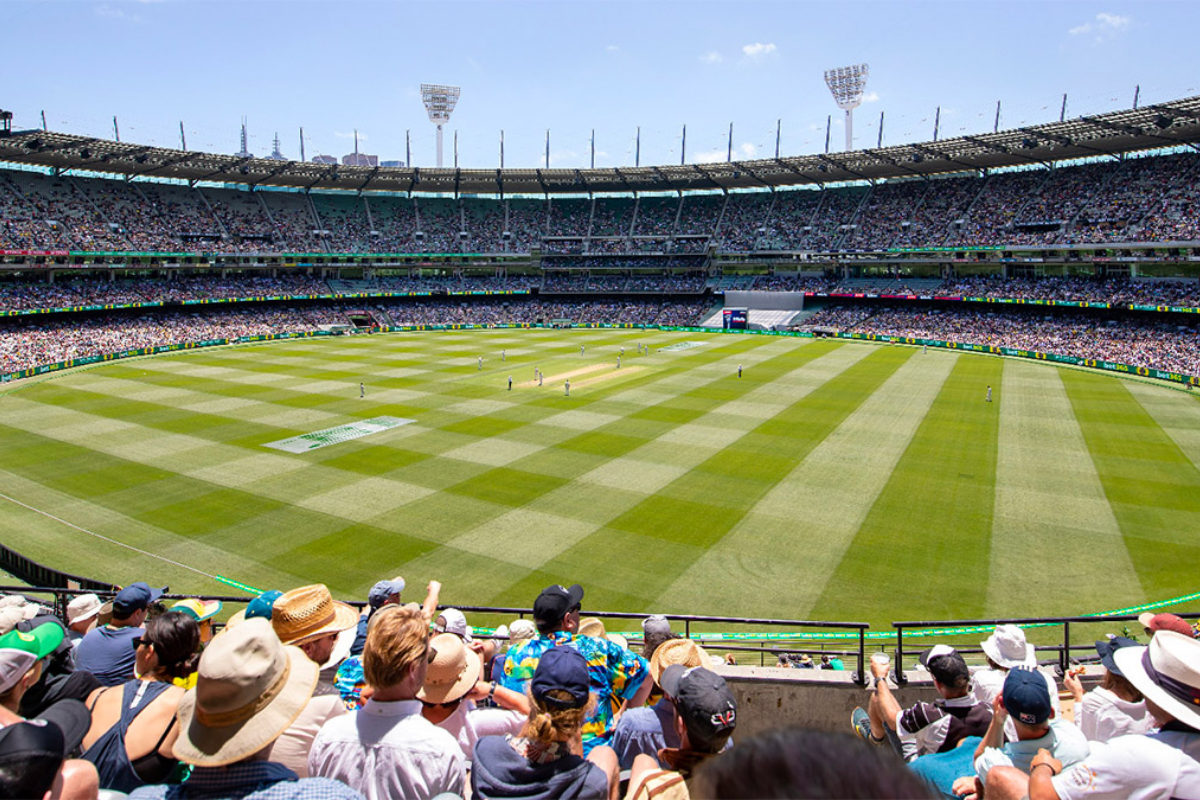
By 2026, the Big Bash League (BBL) has reinvented itself again — faster matches, louder music, and finishes before kids’ bedtimes. The Boxing Day Test still sells out the MCG with over 80,000 fans drinking in the sun.
Where cricket shines:
- It’s the soundtrack to Australian summers (backyard tests, anyone?)
- 1.5 million+ participants — tied with AFL for raw numbers
- Multicultural appeal: India, England, and South African expats bring their passion
Where it’s slipping:
Junior five-day game interest is dropping. Kids want T20 fireworks, not a session that lasts until Thursday.
Comparison point: For nostalgia, tradition, and a six-hit party, cricket owns December to February. But it’s losing the attention span battle.
3. Soccer – The Silent Giant No One Saw Coming – Most Popular Sports Australia
Here is the shock of 2026.
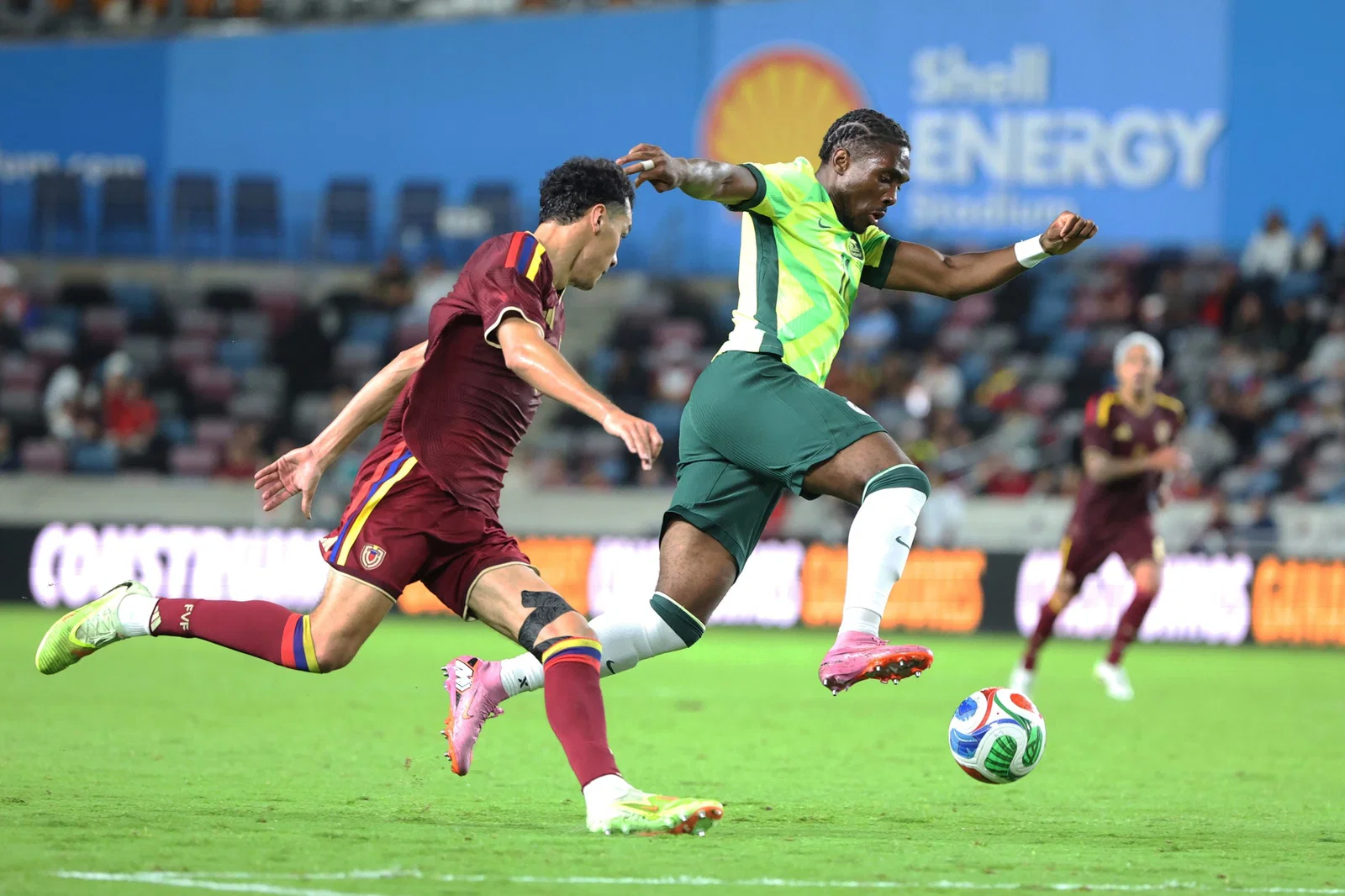
Soccer is now the most played organised sport in Australia. Not “one of.” The most. Over 1.8 million participants — that’s more than AFL and cricket.
But here is the weird part: stadiums don’t always feel full. Why?
Because soccer’s strength is grassroots, not grand finals. Every suburban weekend, thousands of parents stand on damp fields watching under-10s chase a ball. That’s where the real growth is.
What changed by 2026:
- The Matildas’ World Cup run permanently shifted public respect
- A-League introduced promotion-relegation debates (finally)
- African and Middle Eastern communities made soccer their own
Comparison point: If you measure by active players, soccer wins. If you measure by TV spectacle, it’s still third. For now.
4. Tennis – The Glamorous Outsider – Most Popular Sports Australia

Tennis is a strange beast in Australia.
For two weeks every January, the Australian Open turns Melbourne into a global party. Over 700,000 people walk through the gates. That’s bigger than some sports’ entire yearly attendance.
Then February hits, and everyone forgets tennis exists until next summer.
2026 updates:
- Ash Barty’s retirement didn’t kill interest — new young players filled the gap
- Tennis coaching in schools is up 40% since 2020
- Pickleball (yes, really) is eating into casual tennis play, but competitive tennis holds strong
Where it wins:
Elite events. No other sport on this list pulls that many international tourists in a single fortnight.
Where it loses:
The other 50 weeks of the year. Tennis is a sprint, not a marathon, in public attention.
Comparison point: For peak glamour and global eyes, tennis is untouchable. For year-round relevance? Not even close.
5. Surfing – The Sport That Doesn’t Need Stadiums
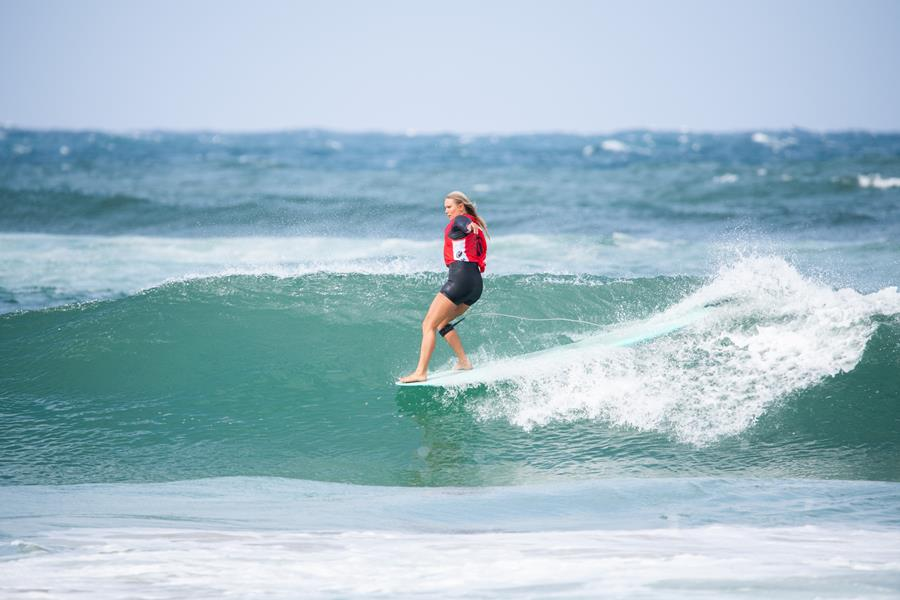
Here is the least “traditional” sport on this list, but also the most Australian.
You cannot understand this country without understanding surfing. By 2026, an estimated 3 million+ Australians surf regularly — not competitively, but as a lifestyle.
What makes surfing different:
- No tickets. No umpires. No half-time ads.
- It’s the only sport where “participation” means driving to a beach at 5am to check the swell
- Coastal towns from Gold Coast to Margaret River run on surf economy
2026 trends:
- Surfing is now a recognised school sport in over 200 high schools
- More women surfing than ever before (Steph Gilmore’s legacy is real)
- Climate change is messing with waves, but surf culture is adapting
Comparison point: Surfing doesn’t compete with AFL on TV ratings. It doesn’t try to. But ask any Australian what sport represents freedom, and they’ll point to the ocean.
So… Which Sport Actually Wins?
Here is the honest truth in 2026:
- Biggest crowd sport? AFL.
- Biggest summer ritual? Cricket.
- Biggest participation sport? Soccer.
- Biggest global spotlight? Tennis.
- Biggest way of life? Surfing.
Australia doesn’t have one most popular sport. It has five — and they barely compete with each other. They just… coexist.ose a block
About the Author