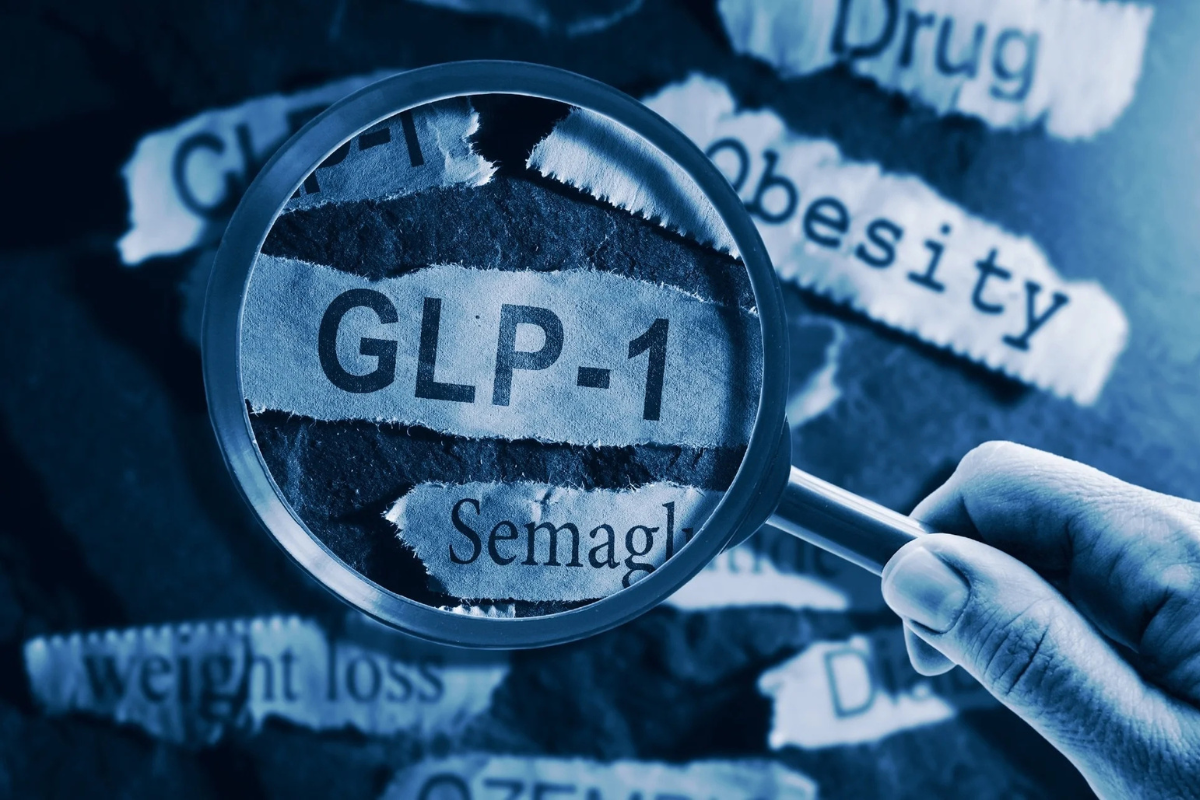
For the past two years, GLP-1 drugs have dominated Australia’s weight-loss landscape. They reshaped conversations in gyms, offices, and even family dinners. But the TGA’s latest update has shifted the tone, adding new mental-health warnings and a contraception requirement for Mounjaro. These changes reflect a broader shift toward caution as prescriptions grow nationwide. Although the drugs remain effective and accessible, Australians now find themselves navigating them with sharper awareness and more detailed medical guidance (Australia weight-loss warning).
The TGA Moves Toward a More Cautious Oversight Model– Australia weight-loss warning

Australia’s soaring prescription rates—well above two million this year—have given regulators a clearer picture of how GLP-1 medications behave outside clinical trials. The TGA’s update follows months of international data review and aligns with safety assessments already underway in Europe and the US. The goal isn’t to restrict access but to ensure Australians understand emerging risks early, before isolated events become wider problems. This approach reflects a shift toward prevention rather than reaction.
Mental-Health Warnings Added Across All GLP-1 Brands (Australia weight-loss warning)

Every GLP-1 drug sold in Australia now includes an alert about possible mood changes, depression, and suicidal thoughts. Although the TGA stresses that these effects remain rare, their severity makes early reporting crucial. Australia recorded 72 cases of suicidal ideation linked to GLP-1 drugs, along with a handful of suicide attempts. These numbers remain small against millions of doses, yet they were significant enough to prompt a formal update in December.
Mounjaro’s Contraception Warning Stands Apart
Mounjaro has a unique issue: it slows gastric emptying to a degree that may affect oral contraceptive absorption. Because of this, women must use backup contraception—such as condoms or non-oral options—for four weeks after starting the drug and after each dose increase. This update caught many users off guard, particularly those who assumed weight-loss drugs had limited interaction with hormonal treatments. ABC and 9News both highlighted this warning as a key part of the TGA announcement.
GPs Across Australia Prepare for Longer Consultations
The RACGP has encouraged clinics to adopt new screening protocols immediately. Doctors will need to ask more questions about mental health, contraception plans, and past reactions to weight-loss medications. Many GPs expect longer appointments as they adjust to the updated guidelines, especially during the first two or three months when side effects and emotional shifts are more likely to appear. This represents the most significant change in prescribing behaviour since these drugs entered the Australian market.
Why Australia Chose December to Release the Warning
Several factors converged: rising national use, international research, and real-world reports that highlighted vulnerabilities. WHO-linked studies in 2024 suggested a small rise in psychiatric symptoms among GLP-1 users compared to patients on other diabetes medications. When paired with Australia’s rising incident reports, the TGA determined that precautionary communication was necessary. December’s update signals a new chapter in how Australia manages fast-growing pharmaceutical trends.
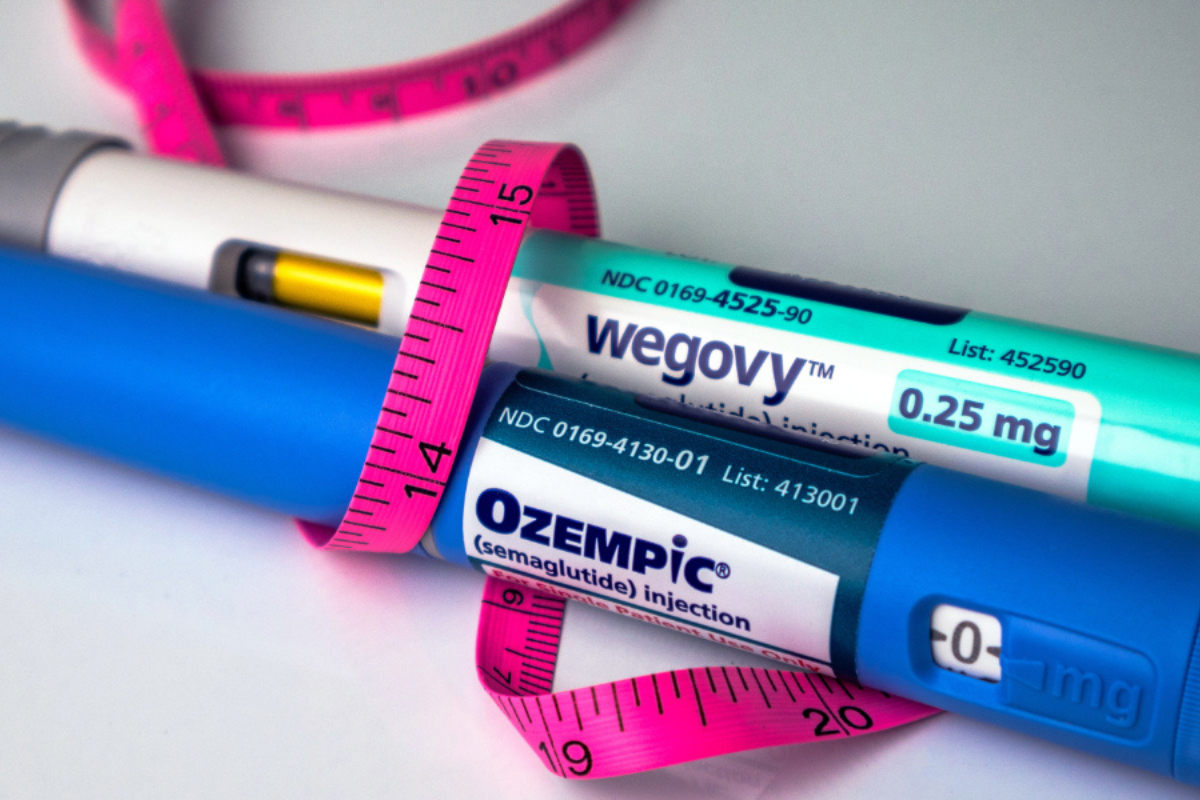
Australia’s updated weight-loss warning isn’t a sign that GLP-1 drugs are ineffective or unsafe. Instead, it reflects a maturing understanding of how millions of Australians use them each year. With new mental-health alerts and contraception guidance now in place, the country is shifting toward a more attentive and informed model of care. These changes help ensure that Ozempic, Mounjaro, and similar drugs remain beneficial while minimising avoidable risks.