The Keysborough Secondary College stabbing rippled far beyond Melbourne’s south-east, forcing parents, educators, and policymakers to confront an uncomfortable truth: adult access to school grounds might be the weakest link in Victoria’s safety system. Principal Aaron Sykes was stabbed by a man known to him around 3pm, prompting an immediate Code Black lockdown that protected every student. Yet the moment the school reopened, the bigger conversation began—one that expanded quickly across ABC, The Age, and 9News. For a state already dealing with several recent school incidents, this attack became a catalyst for a much larger safety review.
A Targeted Adult Conflict—Not a Student Safety Breakdown (Keysborough educator attack)

The first clarification from police mattered more than anything: no students were involved. The man arrested at the scene had a prior connection to principal Sykes, and early investigation suggests an adult dispute rather than a random act of violence. This distinction is important because it redirects the public conversation away from student discipline and toward workplace safety, school visitor protocols, and the pressures placed on educational leaders (Keysborough educator attack).
A Lockdown That Demonstrated System Readiness –Keysborough educator attack

Teachers and students executed their Code Black procedures immediately. Classroom doors were reinforced, students sat quietly behind cover, and staff followed the steps they had rehearsed dozens of times. The drills worked so effectively that several parents told ABC they were “grateful the school took practice sessions seriously.” This event highlighted an uncomfortable but undeniable truth: lockdown training is essential, not optional.
Why Victoria Is Now Rethinking Adult Entry Procedures : Keysborough educator attack

While sign-in desks, reception points, and visitor badges offer some structure, they remain easy to bypass or exploit when adult tensions escalate. The Keysborough attack—like recent incidents reported at Berwick and other Victorian schools—has exposed the vulnerability of open-access environments. Education experts are now discussing stronger perimeter checks, controlled entry points, increased staff-only zones, and possible duress alarm expansion. Schools are workplaces, and this incident has forced a re-evaluation of how adults move within them.
The Emotional Weight on Teachers and Students
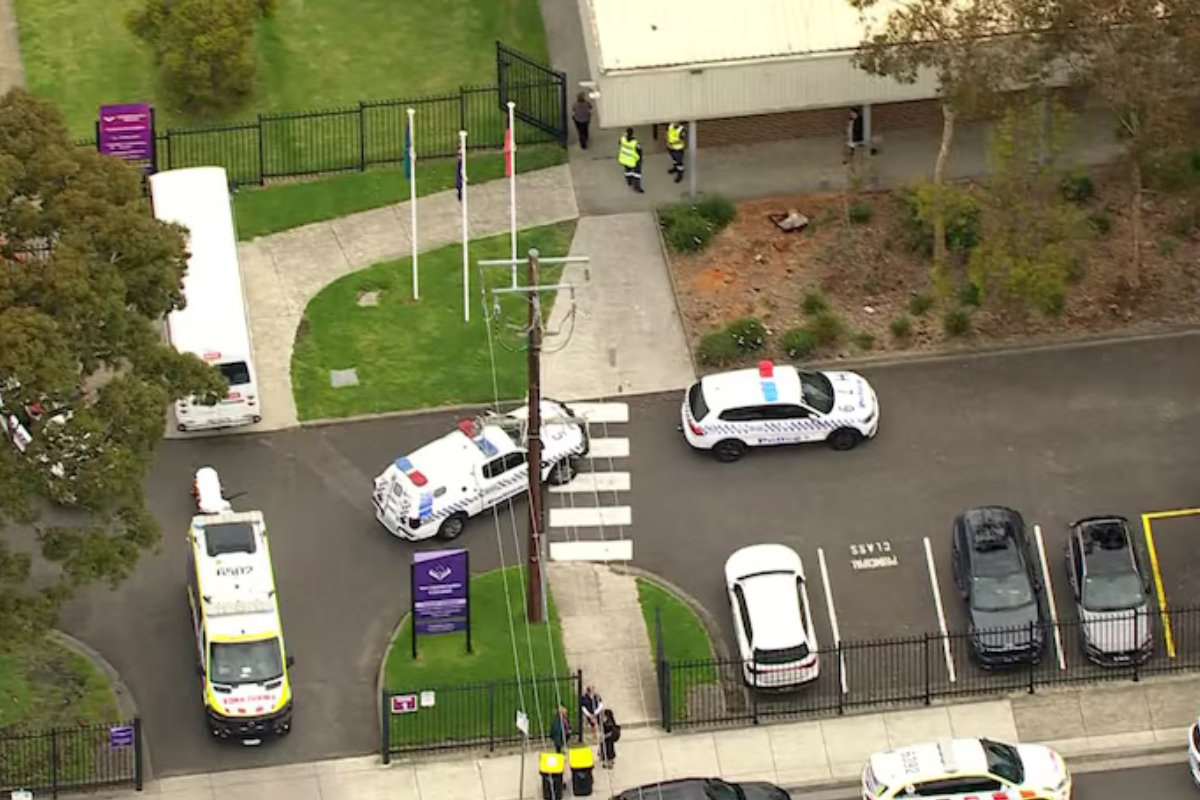
Many students admitted they were shaken, even though they were never physically close to the incident. For teachers, the emotional burden was even heavier. They became protectors, crisis coordinators, and counsellors all at once. The Education Department confirmed wellbeing officers would visit the campus to support staff and students in the coming days. Trauma can linger even when danger passes quickly, and this event will likely require ongoing care.
Police Continue to Analyse Motive and Prior Behaviour
Investigators are examining whether the confrontation was planned, whether past disputes existed, and whether mental-health issues contributed to the incident. The arrested man remains in custody while receiving treatment. Police reassured families that the school is safe and that no further threat exists. Charges are expected once interviews conclude.
The Keysborough educator attack was shocking, but it also triggered an important statewide conversation about school safety. It showed that while lockdown protocols protect students well, adult entry systems and staff security may need significant upgrades. As principal Sykes recovers and police finalise their investigation, Victoria faces a pivotal moment: deciding how to strengthen its schools without turning them into fortresses. The future of safety lies in smart access controls, prepared teachers, and systems designed to protect everyone on campus—not just students.
FAQ Section
About the Author