
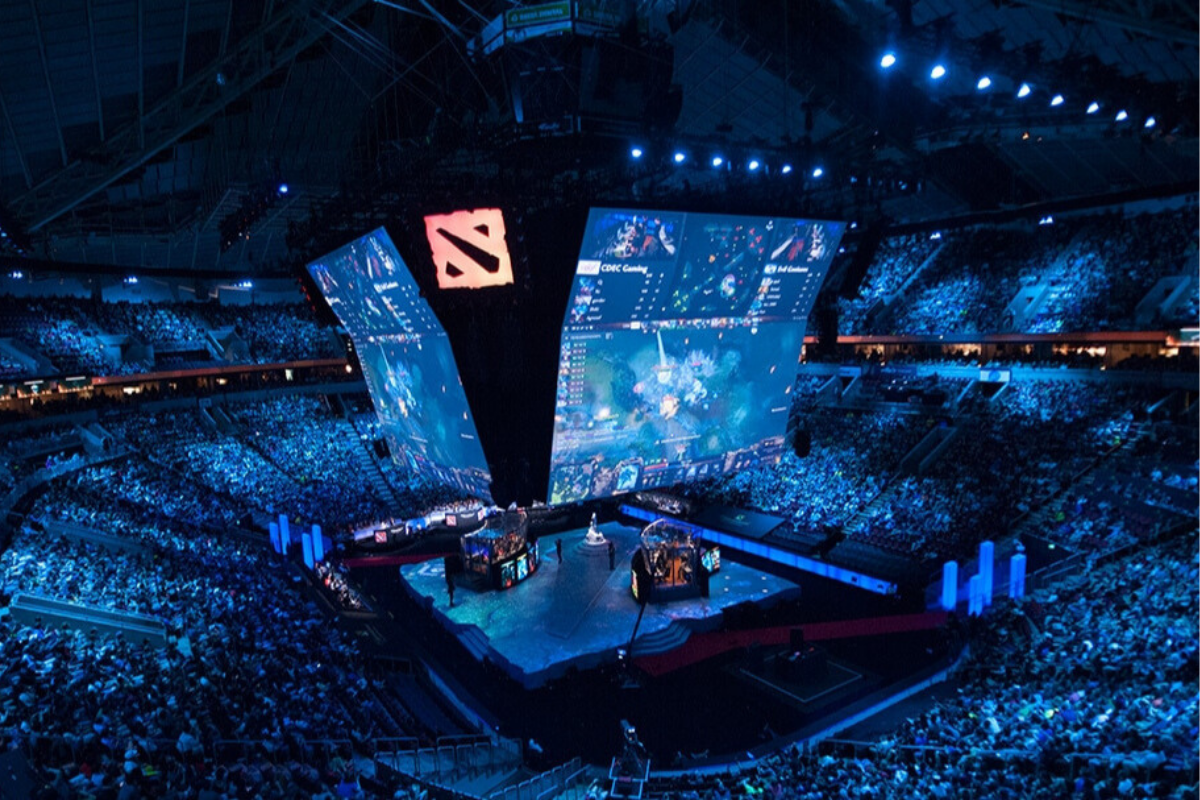
2026 Esports Pro Scene – In the current competitive landscape, the “super-team” era defined by high-priced signings has hit a ceiling. As we analyze the 2026 Esports Pro Scene, a new pattern emerges: Structural Resilience. Success is no longer just about clicking heads; it is about how an organization builds a repeatable framework for victory.
Below is a data-driven breakdown of the five organizations currently out-pacing the field through superior infrastructure and tactical maturation.
1. The Global Heavyweights: Strategic Profiles
The following table highlights the core philosophy driving the top contenders this year.
2026 Esports Organizational Forecast
2. G2 Esports: Unified Coaching Intelligence
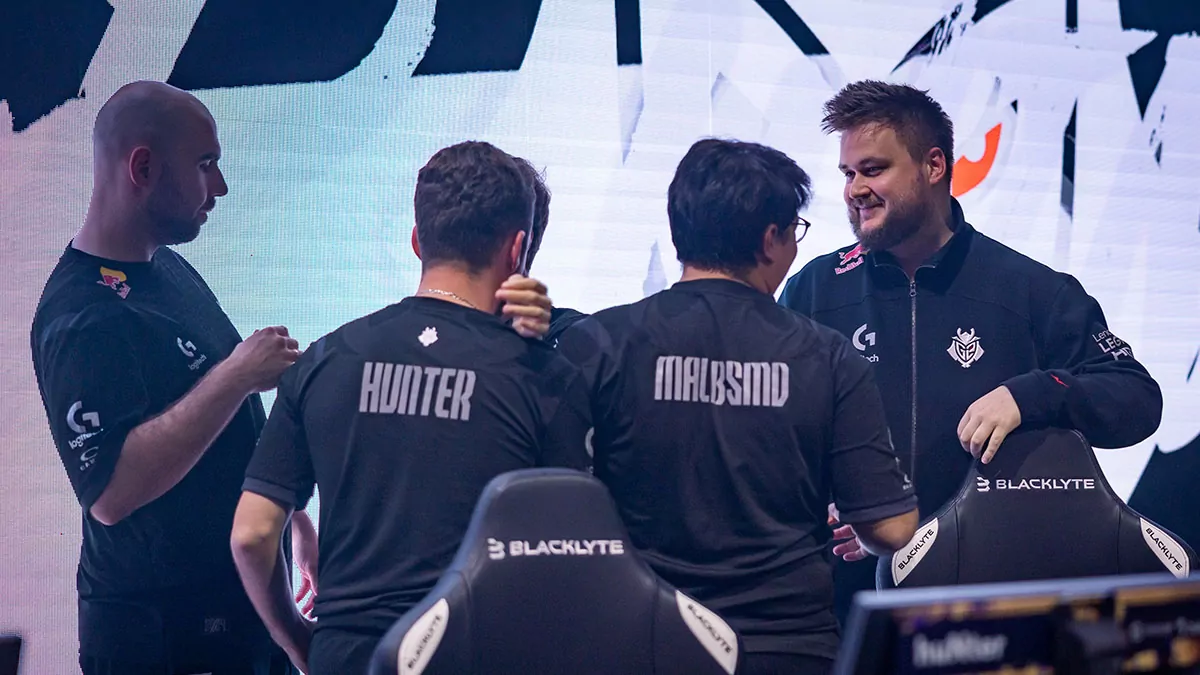
G2 has moved away from the chaotic “villain” persona of previous years to become a marvel of organizational engineering. Their 2026 Esports Pro Scene strategy centers on Cross-Title Harmonization. By unifying the coaching philosophies of their League of Legends and Valorant divisions, they have created a “shared brain” effect. When the Valorant team discovers a new method for mental reset or practice optimization, that data is instantly applied to the CS2 roster. This creates a feedback loop that allows G2 to adapt to meta shifts faster than any isolated team ever could.
3. Paper Rex: Controlled Chaos – 2026 Esports Pro Scene
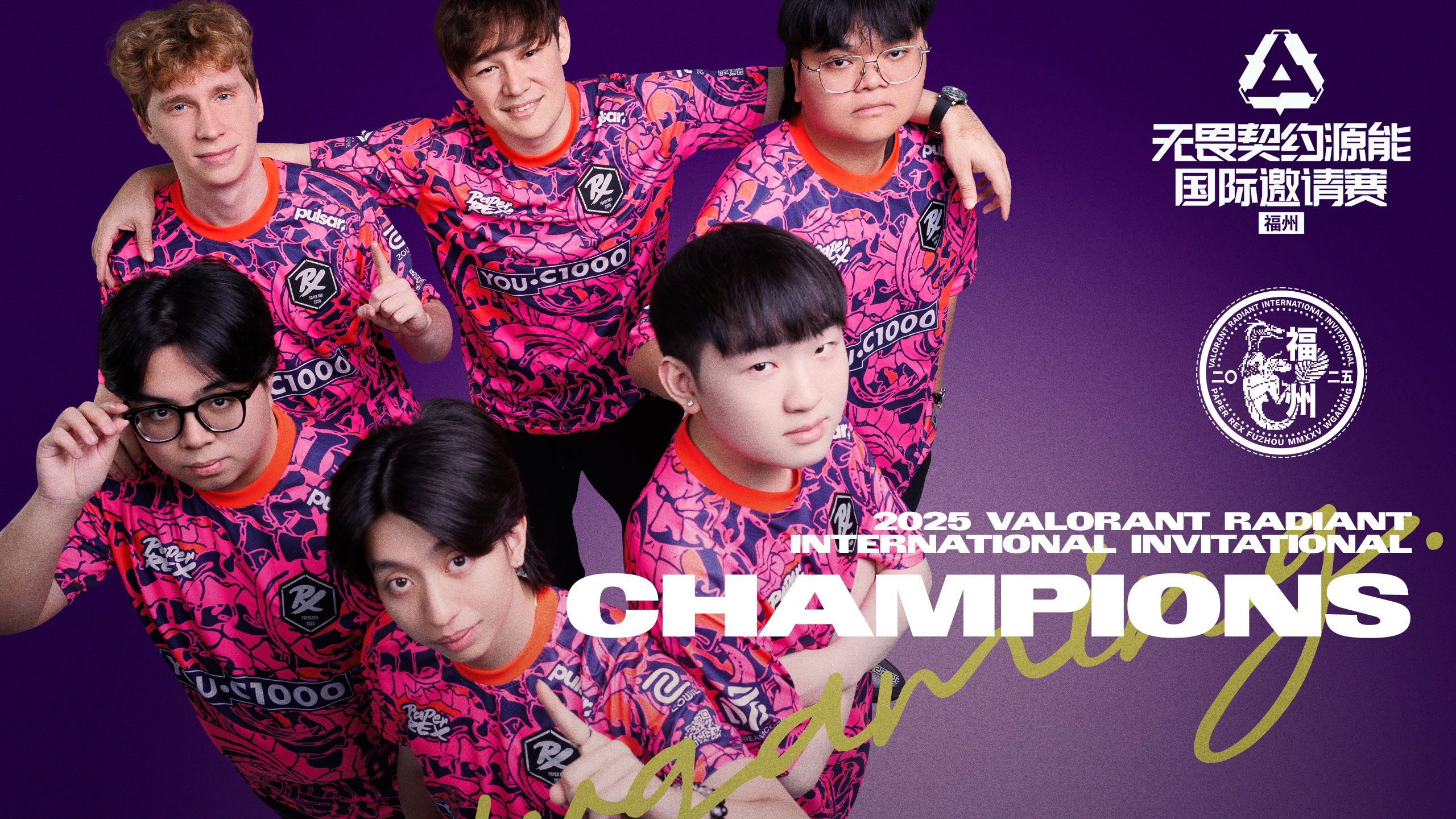
Long known as the “W-Gaming” kings, Paper Rex has undergone a fascinating evolution. The aggressive speed remains, but it is now bolstered by Tactical Maturation. * The Old PRX: Relied on pure aim and unpredictable aggression.
- The 2026 PRX: Uses “utility rehearsals” to ensure that their aggressive pushes have a safety net.
They have effectively industrialized their chaos, making it a repeatable system rather than a series of fortunate skirmishes. This makes them a terrifying prospect in best-of-five series where stamina and depth are tested.
4. Team Liquid: The Excellence of Routine – 2026 Esports Pro Scene
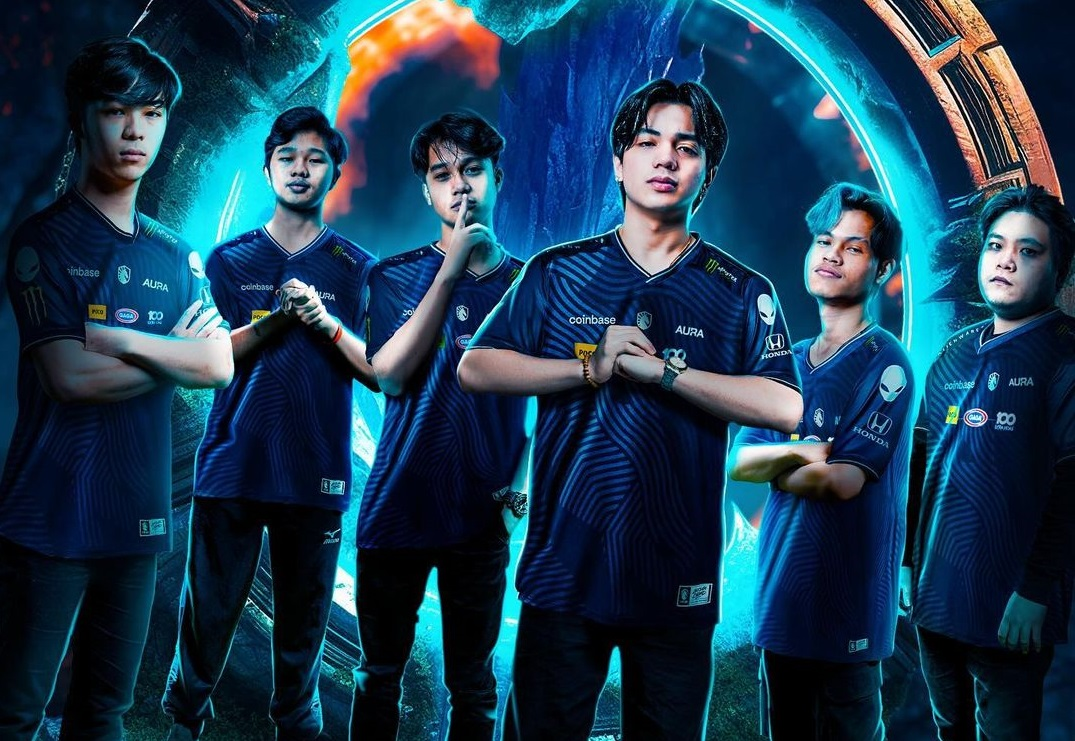
Team Liquid is tackling the greatest enemy of the pro scene: Burnout and Inconsistency. Their 2026 “Consistency Blueprint” is essentially an operational manual for pro gaming. By standardizing scouting briefs and communication protocols, they ensure that even if an individual player has an “off” day, the team’s collective floor remains higher than the competition.
“In 2026, the winner isn’t the team with the highest peak, but the team with the most stable floor.” — Pro Scene Analysis Insight
5. T1: The Long-Distance Runners
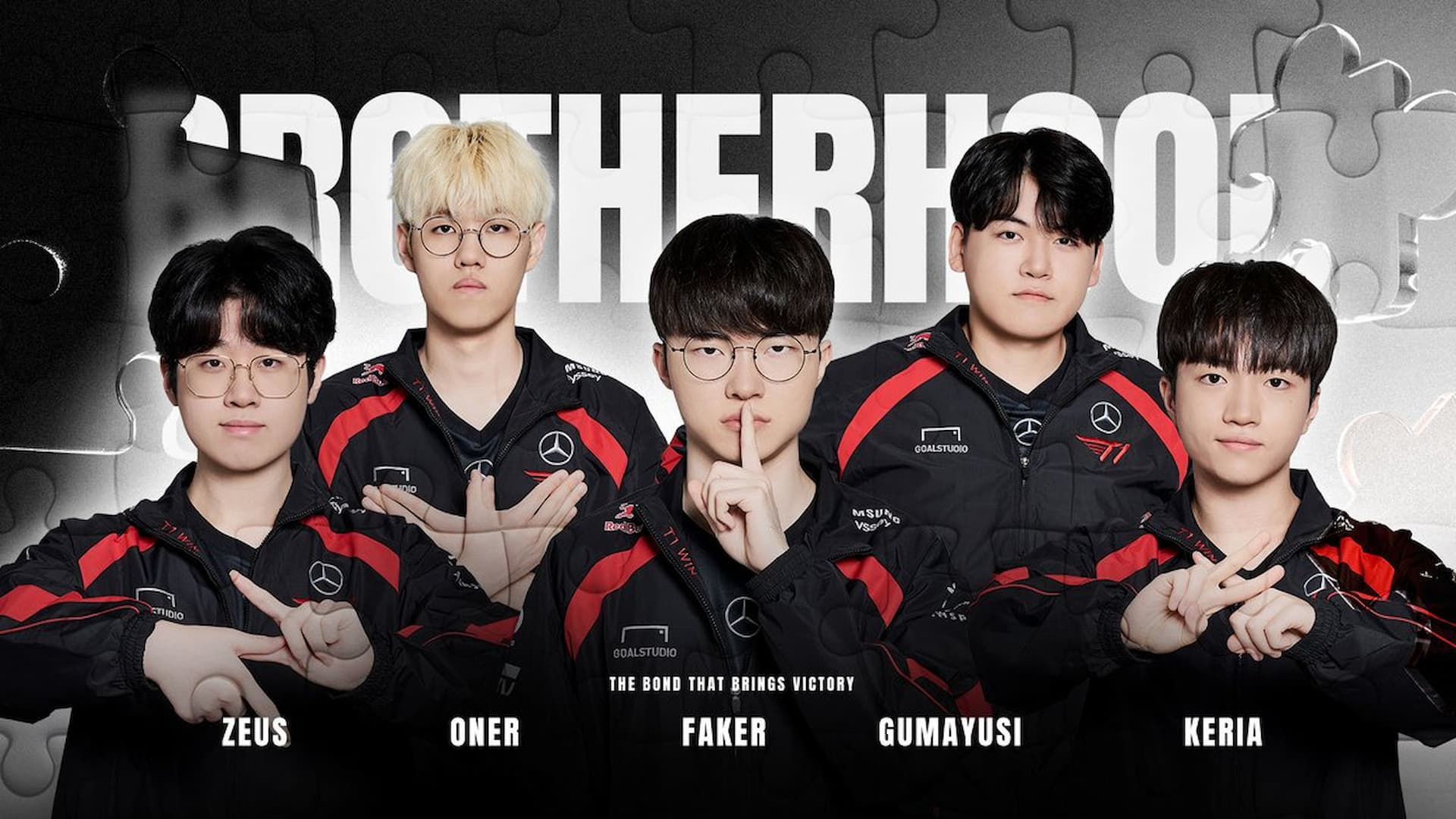
While other teams burn their resources chasing early-season regional trophies, T1 is playing the long game. Their 2026 roadmap is a Strategic Marathon. ### T1’s 2026 Performance Metrics
- Early Season: Experimental drafting, high focus on individual role testing.
- Mid Season: Optimization of objective control (Baron/Dragon conversion).
- Worlds Prep: Cleanliness in late-game decision-making.
By prioritizing metrics that only matter in high-pressure, late-game scenarios, T1 ensures they are the most disciplined team on the server when the World Championship arrives.
6. MOUZ: The CS2 Growth Lab – 2026 Esports Pro Scene

MOUZ remains the gold standard for Precision Growth. In a market often obsessed with blockbuster trades, MOUZ focuses on the “slow build.”
In the current CS2 meta, strategic depth outweighs raw firepower. MOUZ’s approach involves:
- Role Specialization: Ensuring every player is a master of their specific utility set.
- Map Mastery: Building a deep pool rather than a “permaban” strategy.
- Incremental Layering: Adding one new tactical layer per month to avoid overwhelming the roster.
Final Verdict: Why Structure Wins in 2026 Esports Pro Scene
The 2026 Esports Pro Scene has proven that talent is a commodity, but a functional system is a rarity. Organizations like G2 and T1 are no longer just “gaming teams”—they are high-performance laboratories.
For analysts and fans alike, the signal for a winning team is no longer a flashy montage. Instead, look for coaching continuity, role clarity, and the ability to convert practice data into stage wins. The era of the “system player” has arrived, and these five organizations are leading the charge.
About the Author
