Top Sports for Fitness – If you want to live longer, put down the running shoes and pick up a tennis racket.
That’s not opinion. That’s data.
A massive study out of the University of Sydney (published in the British Journal of Sports Medicine) tracked over 80,000 British adults for more than a decade. The goal? To see which sports actually kept people alive longer. And the winner wasn’t even close.
The Scoreboard: How Each Sport Performed
Think of this like a league table for life expectancy. Here is how each activity ranked when researchers measured the drop in premature death risk from any cause:
Yes, you read that right. Racquet sports didn’t just win; they obliterated the competition.
Why the Racket Reigns Supreme
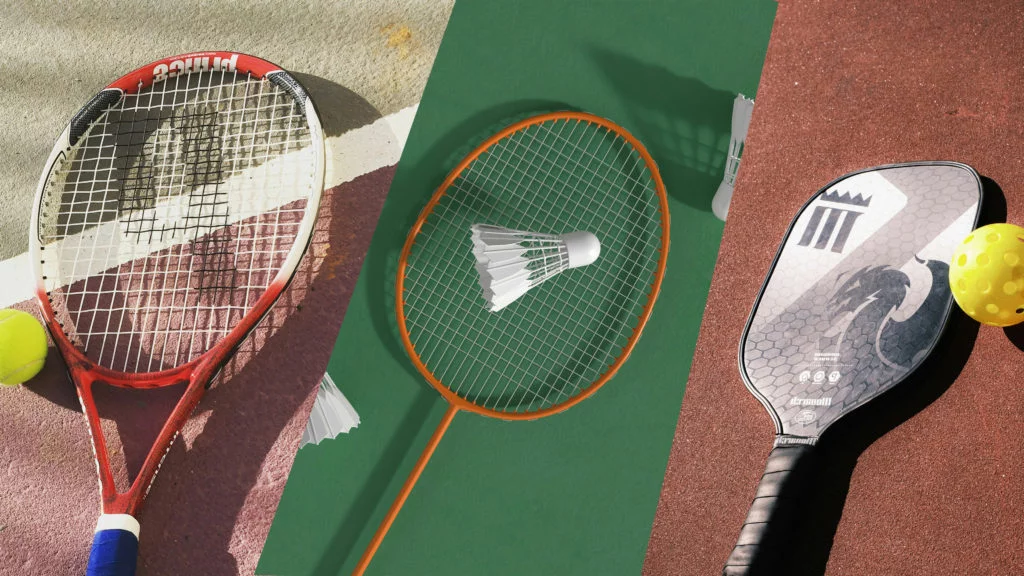
So, why is swinging a racket so much better for you than just running in a straight line?
Lead researcher Associate Professor Emmanuel Stamatakis says it comes down to the pattern of movement. Unlike the steady plodding of jogging or the constant mid-level effort of cycling, racket sports force your body into something scientists call “near-maximal intensity bursts.”
Here is what happens during a typical squash or tennis rally:
- Explode: You sprint, lunge, or jump to reach the ball.
- Strike: You use your core, arms, and legs simultaneously.
- Pause: You recover for 10–15 seconds waiting for the return.
- Repeat: You do it again. And again.
That cycle—short, violent effort followed by brief rest—perfectly mimics High Intensity Interval Training (HIIT). We already know HIIT is incredible for the heart, but racket sports make it fun. You aren’t watching a clock; you are trying to win a point.
Pro tip from outside the study: This “stop-start” dynamic also improves proprioception (your body’s ability to sense movement) and reaction time way better than repetitive cardio. As we age, reaction time is one of the biggest predictors of fall prevention.
The Runner’s Paradox: Why Jogging Lags Behind – Top Sports for Fitness
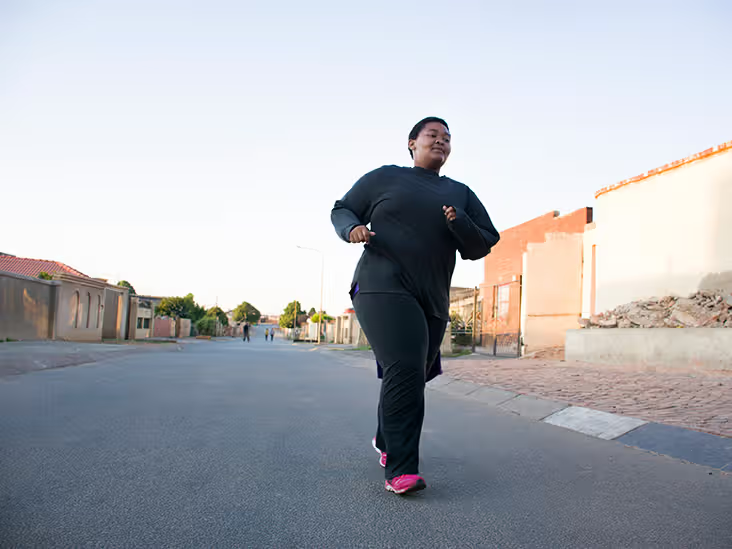
Here is where things get controversial. Running is the most popular fitness activity on earth. But in this study, running only lowered the risk of death by 13%.
Why? Professor Stamatakis admitted the data had a catch. The runners in the study were, on average, four years younger than the racket sport players. Younger people generally have lower mortality rates regardless of exercise.
But even after adjusting for age, running still didn’t catch up. Why?
Because running is linear. Unless you are doing hill sprints or track intervals, most joggers fall into a “moderate intensity” rut. Your heart gets fit, sure, but you aren’t challenging your anaerobic system the way a 30-second sprint for a drop shot does.
A Note on Swimming (The Silver Medalist)

Swimming took second place, lowering heart disease risk by 41%. That is excellent. However, most recreational swimmers don’t do intervals. They swim laps at a steady pace. If you want to make swimming compete with racket sports, you need to add intervals: sprint one lap, easy the next, repeat.
The Reality Check: Age Matters
Before you go buy a $200 tennis racket, look at the fine print.
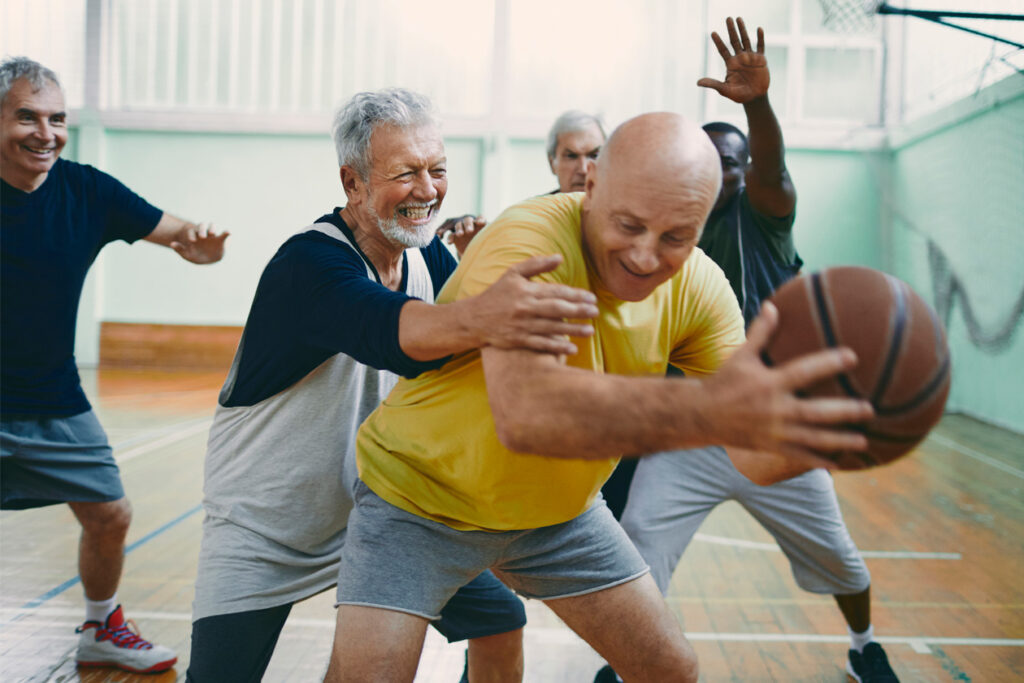
The football (soccer) players in the study were the youngest—about six years younger than the racket sports group. That means if you are 19 years old and playing soccer, you are likely fine. But if you are 45 and still trying to play full-field soccer without training? The injury risk (pulled hamstrings, ACL tears) might outweigh the longevity benefits.
Additional research to consider: A 2018 follow-up study in The Lancet looked at 1.2 million people and found that while all exercise helps, playing racket sports for 2.5 hours a week resulted in the lowest “all-cause mortality” of any activity. That is the equivalent of five 30-minute games of badminton a week.
How to Get the Benefits Without a Court – Top Sports for Fitness
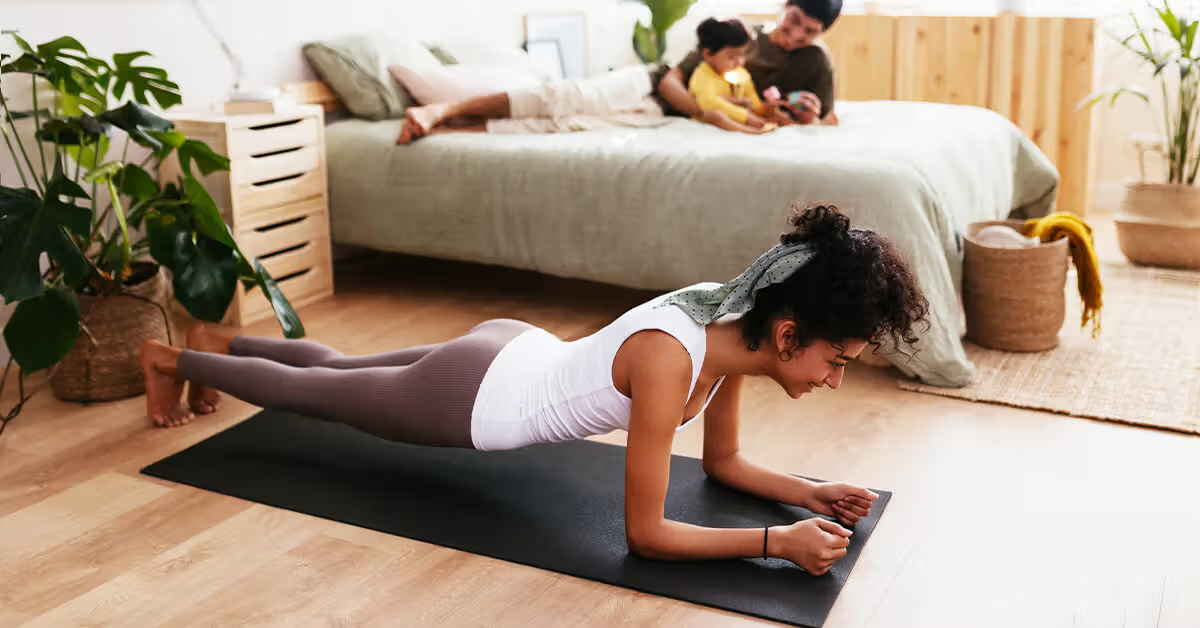
Not everyone has access to squash courts or green spaces. The study’s authors want governments to subsidize access to these facilities, but until that happens, you can mimic the winning formula:
- The movement pattern: Do any exercise that requires short bouts of max effort followed by rest.
- The full-body engagement: Don’t just sit on a bike. Stand up. Swing something. Lunge.
- The social factor: The article didn’t emphasize this enough, but racket sports are almost always social. You are talking to someone, competing with someone. Loneliness is a major killer—playing doubles tennis solves two problems at once.
The Bottom Line – Top Sports for Fitness
If you want to live longer—specifically, if you want to avoid a heart attack—find a wall, a partner, and a racket. Badminton works. Ping pong? The study didn’t test table tennis specifically, but the explosive lateral movements suggest it would rank highly.
As Professor Stamatakis put it: “It was a very consistent finding that those who play racket sports have the most positive health outcomes.”
Just don’t play for two months and quit. The benefit comes from years of consistent play, not a summer fad. Pick up a racket. Find a local club. Your heart will thank you in 20 years.
About the Author