Badminton Tips for Beginners Australia – Let’s break this down like a match replay. We’re not looking at a single rally. We’re analysing the entire sport as a system: rules, player classifications, and junior development pathways.
First Point: The Core Mechanics
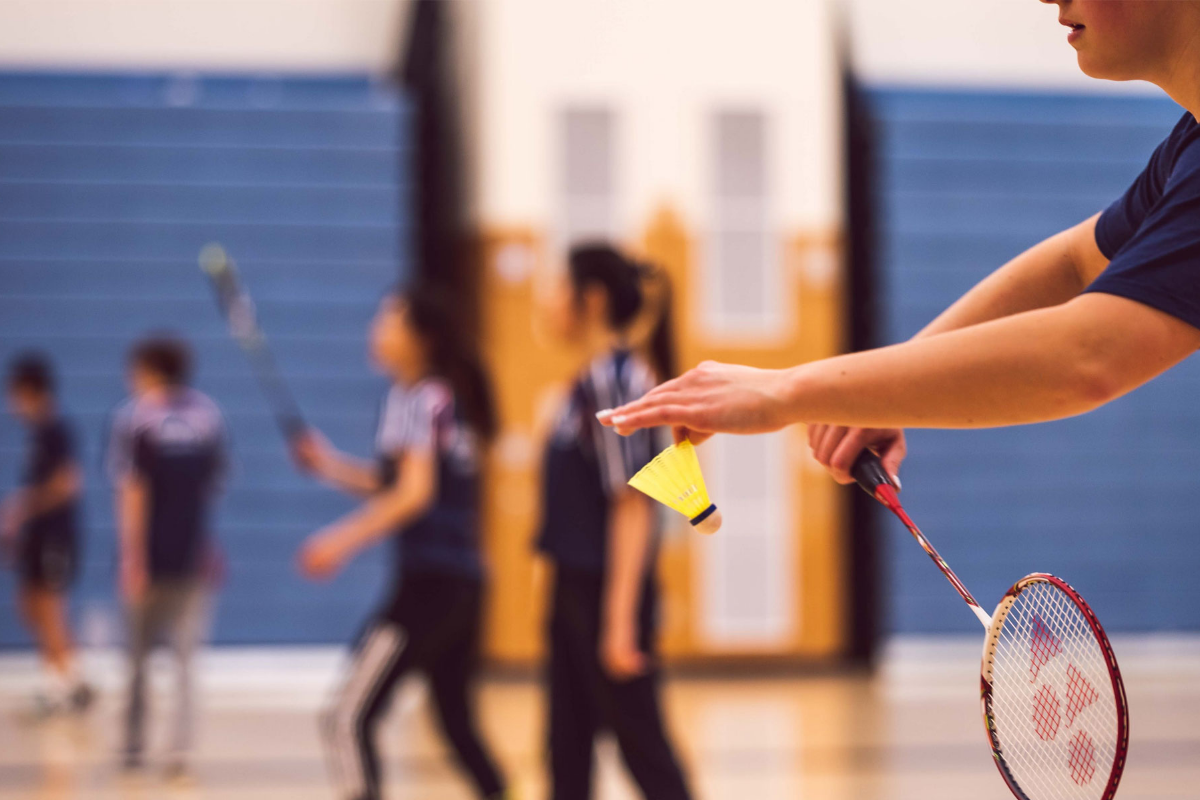
Badminton operates on a few non-negotiable principles. It’s a volleying game played with a racquet and shuttle on a rectangular court. Every rally begins with an underarm serve — no exceptions. Here’s where beginners in Australia often trip up: service faults happen if you serve above the waist. That’s a key badminton tips for beginners australia coaches drill from day one.
The Scoring Table (Simplified for Beginners)
The winning side of a game serves first in the next game. Matches are best of three games. One more tactical note: points are awarded on every serve, not just the server’s point. That’s the rally scoring system.
Second Point: Court Dimensions & Para-Badminton Adaptation
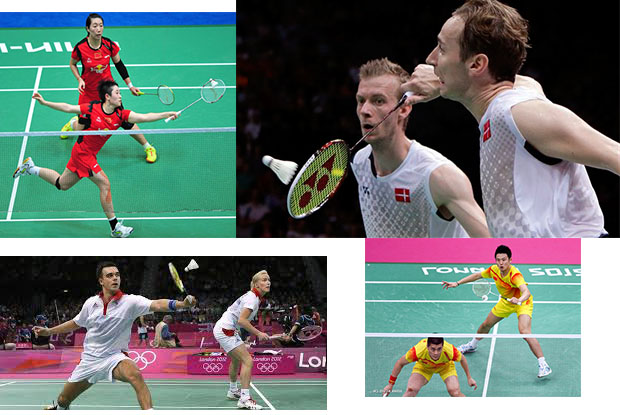
Court sizes change depending on who is playing.
- Singles: narrower boundaries
- Doubles: wider boundaries, shorter serve line at the back
Now, let’s talk para-badminton. This isn’t a separate sport — it’s integrated into the same five disciplines (men’s/women’s singles, men’s/women’s doubles, mixed). But players are split into six classes based on impairment.
Para-Badminton Classes (Quick Scouting Report) – Badminton Tips for Beginners Australia
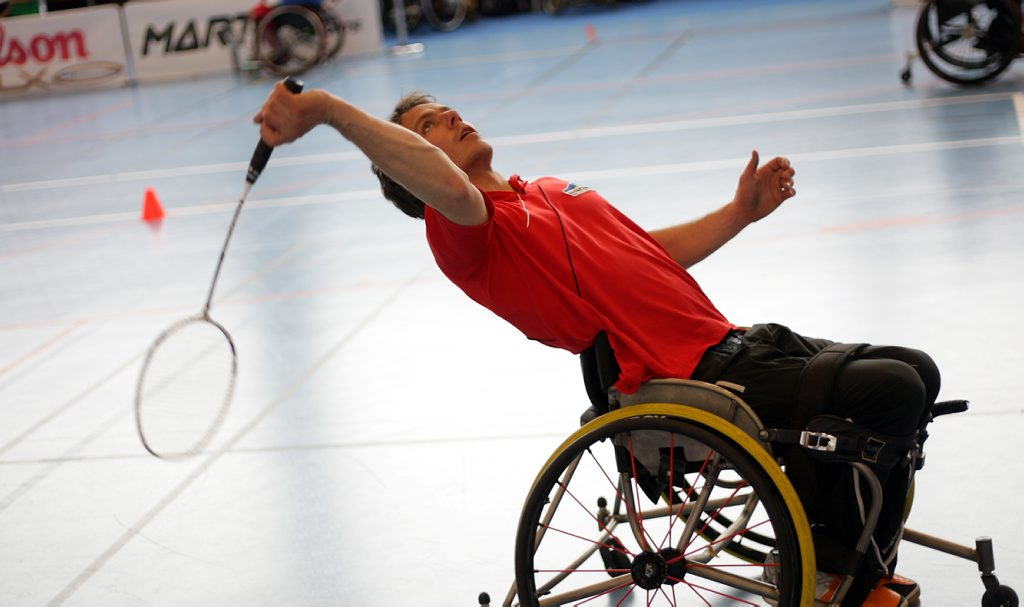
- WH1 & WH2: Wheelchair — WH1 has greater impairment
- SL3, SL4 & SU5: Standing impairments — SL classes affect lower limbs, SU5 affects upper limbs
- SH6: Short stature
For wheelchair classes, the court is reduced in the rear-court area. Standing classes often play on a full court but with modified movement requirements. Coaches analysing para matches need to understand these adaptations because they fundamentally change shot selection and rally length.
Third Point: Child Development – Beyond “Just a Sport” – Badminton Tips for Beginners Australia
This is where badminton outperforms many junior activities. Studies cited by Badminton Australia show a 91% improvement in attention, focus, and memory recall among participating children. That’s not a typo. Ninety-one percent.
Here’s the data broken into three development channels:
Physical:
- Badminton is weight-bearing, so it supports bone density and lowers future osteoporosis risk
- Regular play reduces injury risk from balance loss by up to 64%
- Combined with balanced diet, helps children enter adulthood at healthy weight
Mental:
- Competition introduces unpredictability → builds problem-solving and resilience
- Six weeks of increased activity improves emotional moderation ability
- That 91% attention boost matters for classroom performance
Social:
- Team play (even in singles, you still interact with coaches and officials) teaches rule-following and respect for authority
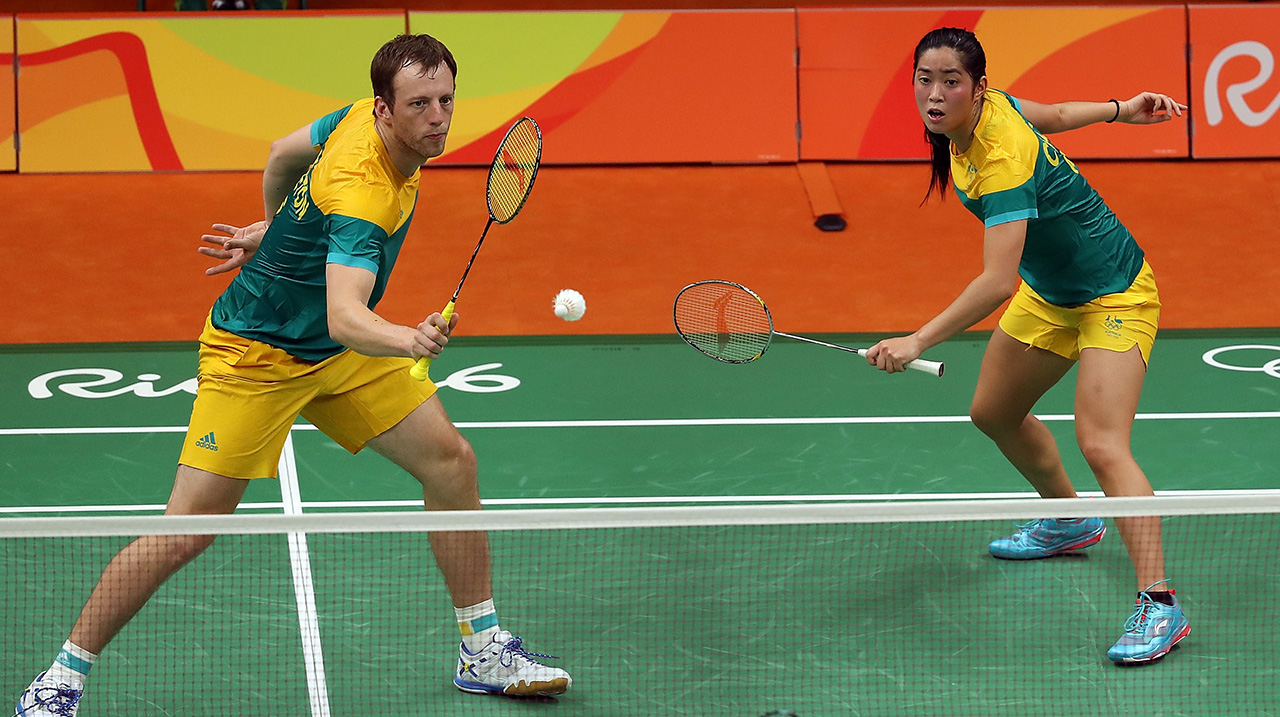
- Leadership and teamwork develop naturally in doubles and mixed doubles
- Research: 93% of children show improved confidence and self-esteem after only 6 weeks of regular sport participation
Final Point: What Beginners in Australia Need to Do Next
Forget memorising every rule at once. Focus on three things:
- Serve underarm and below waist level
- Know your score parity (even = right side, odd = left)
- Understand the win condition – two-point lead required unless it hits 29-29
One additional tip not in the original article: your grip pressure should be light — like holding a bird without crushing it. Tension kills wrist action, and wrist action generates the shuttle speed that makes badminton the fastest racquet sport. Beginners who grip too tight lose 30-40% of potential power before they even swing.
About the Author