Sports for fitness Australia – If you’ve ever wondered what Australians are actually doing to stay active – beyond talking about it – the numbers are finally in. And spoiler alert: we’re doing a lot of walking.
Sport Australia just dropped the latest findings from its AusPlay survey, the country’s biggest deep dive into how we move, sweat, and (sometimes) show up to organised sport. The data covers late 2015 through to 2018, and there’s some genuinely interesting stuff here.
Let’s start with the headline: walking absolutely dominates. We’re talking nearly 8.8 million people lacing up their shoes for a recreational stroll. That’s more than triple the number of people hitting the gym.
But here’s where it gets weird.
Despite walking being the most popular activity by a country mile, we barely spend any money on it. Australian adults fork out roughly $23 million per year on walking. Compare that to fitness and gym activities, where we’re spending more than $3 billion annually. That’s billion with a B. Clearly, we’re happy to pay for machines, mirrors, and monthly memberships – even if we’re just walking on a treadmill.
The top five sports for fitness Australia (by participation):
| Rank | Activity | Annual Participants |
|---|---|---|
| 1 Gold | Walking (recreational) | 8,783,064 |
| 2 Silver | Fitness/Gym | 6,874,541 |
| 3 Bronze | Swimming | 4,505,531 |
| 4 Strong | Running/Athletics | 3,334,693 |
| 5 Growing | Cycling | 2,359,660 |
Notice something? These are mostly solo pursuits. The first organised team sport doesn’t appear until number six.
Football leads the pack – but which football?
That’s the tricky part. When AusPlay says “Football” at number six with 1.77 million participants, they’re referring to what many of us call soccer. It remains Australia’s largest organised team sport by a decent margin.
Australian Rules football sits at number 12 with 913,668 participants, while rugby league and union didn’t crack the top 20 at all.
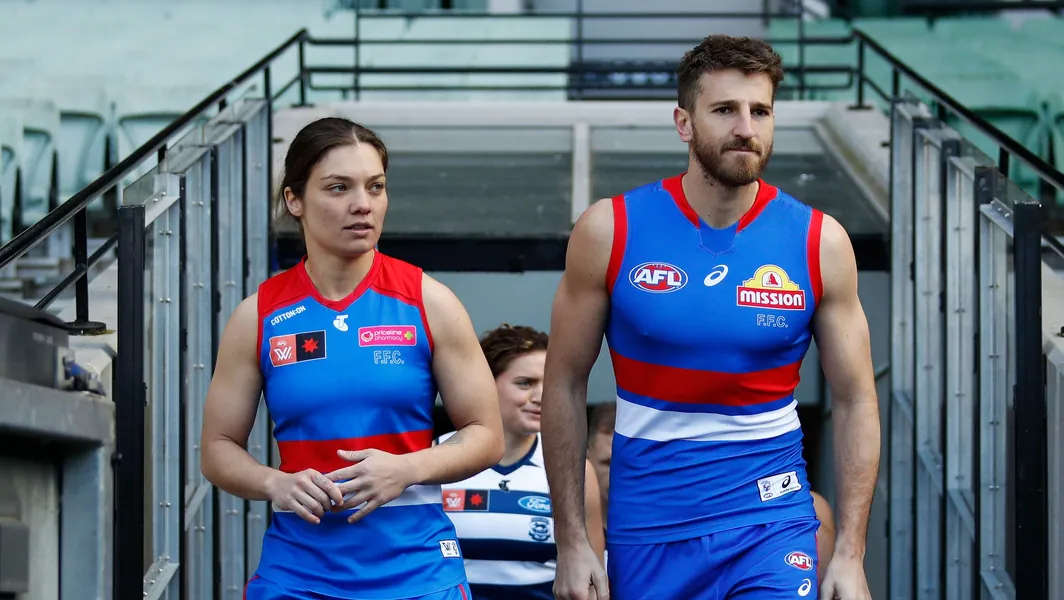
The AFLW effect is real
Here’s a stat that jumps off the page. Since the women’s league launched, the number of women (15+) playing Australian Football at least once a week has nearly doubled – from 31,542 in 2017 to 59,504 in 2018. But check this: weekly participation twice a week went from 19,005 to 48,225. That’s a staggering 154% increase.
These women aren’t just having a kick. They’re showing up multiple times per week.
Still, among team sports in the top 20, netball, football (soccer), basketball, and touch football all still have more female participants than Aussie rules.
Who does what? A state-by-state cheat sheet
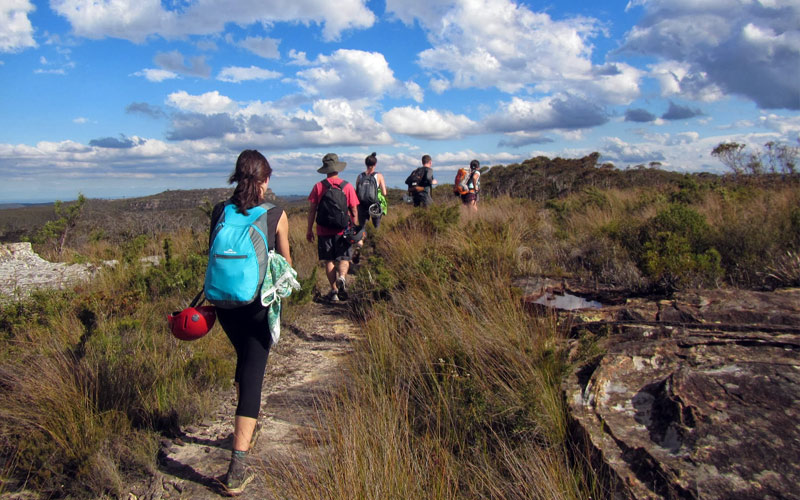
The ACT punches above its weight in six activities: gym/fitness, running, cycling, bushwalking, football (soccer), and martial arts. Not bad for a territory that’s basically a large roundabout with politicians.
Victoria owns golf, basketball, and Pilates. Queensland has touch football on lock. NSW dominates swimming, tennis, dancing, and surfing – which makes sense given the coastline and the weather. South Australia leads in netball, while the Northern Territory takes yoga, AFL, and cricket.
Tasmania? Walking. Classic Tassie.
Gender splits that might surprise you
Ten activities lean male. Ten lean female. That’s perfect balance on paper.
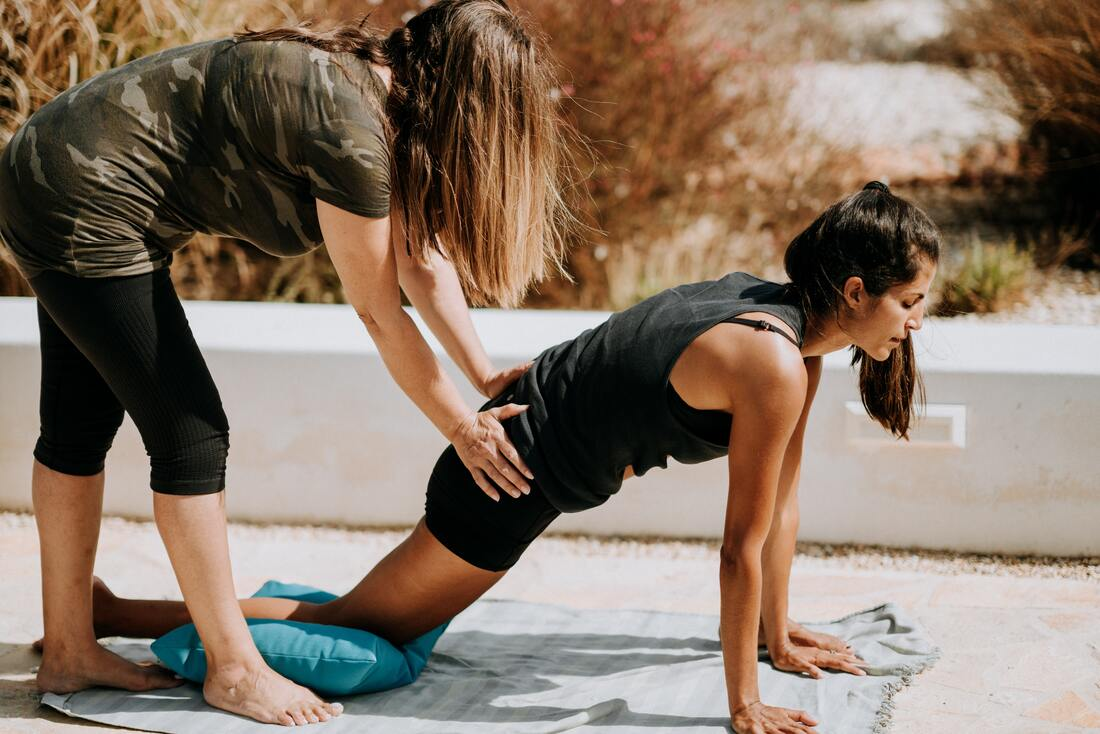
The most female-dominated activities (adults only): Pilates (90% female), netball (89%), dancing (89%), and yoga (86%). So if you’re a bloke in a hot yoga class, you’re statistically a rare breed.
The most male-dominated: cricket (88% male), Australian Football (84%), and golf (81%).
But here’s the interesting one. Bushwalking is almost dead even (51% female). Running is 54% male. Martial arts sits at 55% female. So the old stereotypes don’t always hold up.
What we do at different ages – Sports for fitness Australia
The survey breaks down participation by age group, and there are some genuine gems.
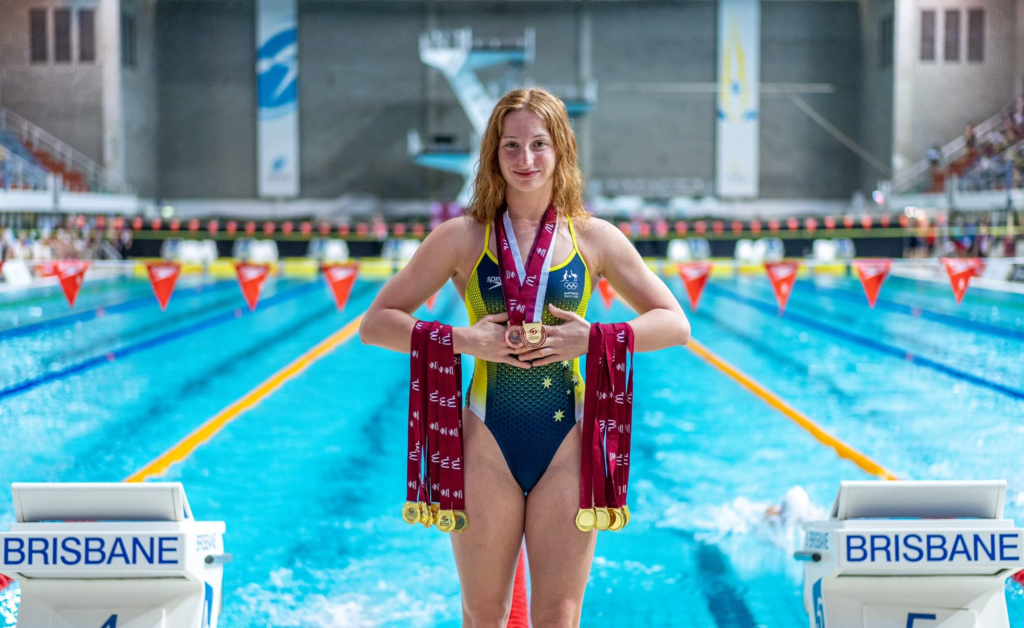
Kids aged 0-4 are basically in the pool. Swimming tops the list for both boys and girls, followed by gymnastics.
By ages 5-8, football (soccer) kicks in for boys, while dancing and netball emerge for girls.
Teenagers aged 9-14? Boys are all about football, swimming, basketball, and cricket. Girls stick with swimming, netball, dancing, and gymnastics.
Then adulthood hits. From 15 to 34, fitness/gym and running rule for both genders. Nobody has time for organised team sports when you’re working, studying, and trying to have a social life.
But watch what happens from 45 to 54. Cycling jumps back into the top five for both men and women. Remember what they say – it’s like riding a bike. Apparently that’s literally true, with two peak age periods: 9-11 years old, then again at 45-54.
The golf paradox
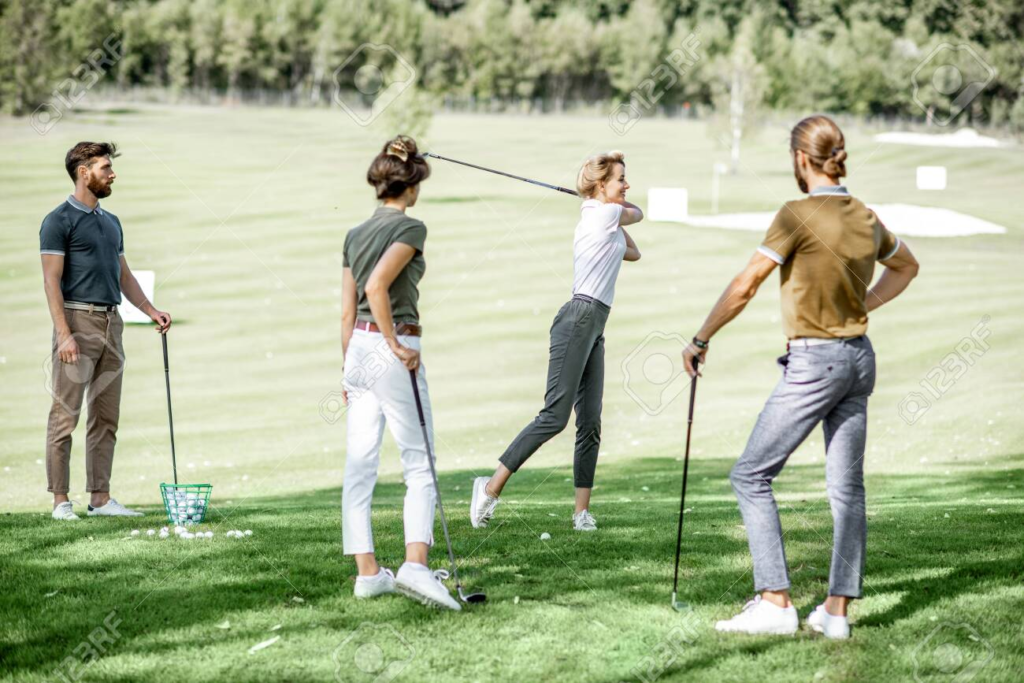
Golf is weird – in a fascinating way. Participation rates actually increase with age. More than half of all adult golfers (59%) are aged 55 and over, with peak participation happening at 65+ years. So if you’re retired and wondering what to do, apparently the answer is a slow walk across a very green paddock while swearing at a small white ball.
Martial arts has a wild age split – sports for fitness australia
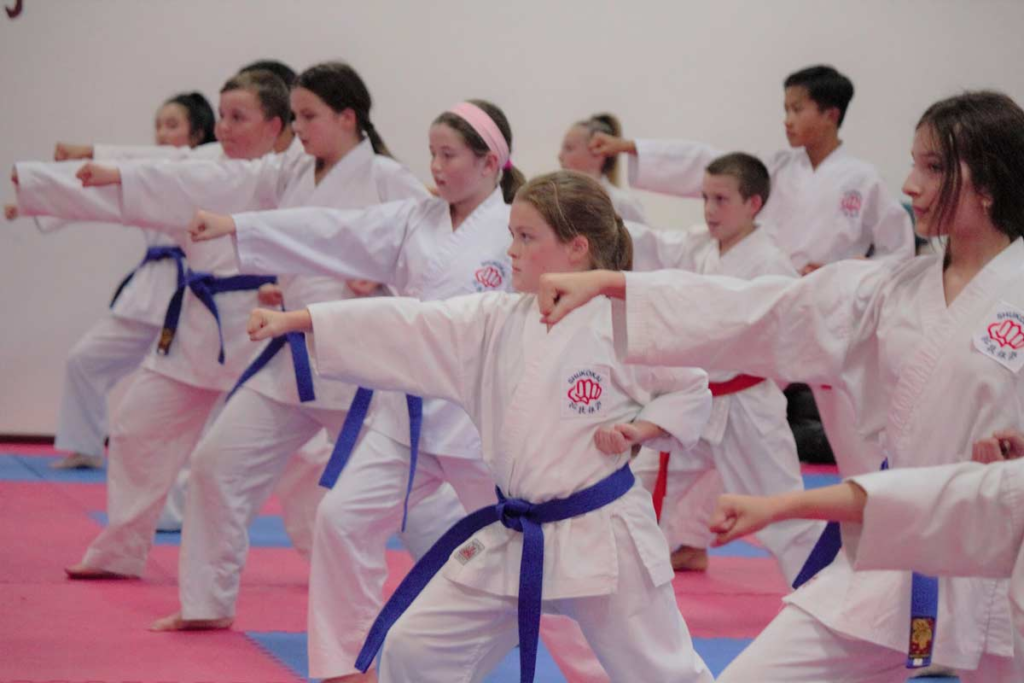
For boys, martial arts participation peaks at 9-11 years old. For girls? Age 65 and over. That’s not a typo. Grandmothers are apparently the fastest-growing demographic for organised martial arts. Someone should probably study why.
What about people with disabilities and diverse backgrounds?
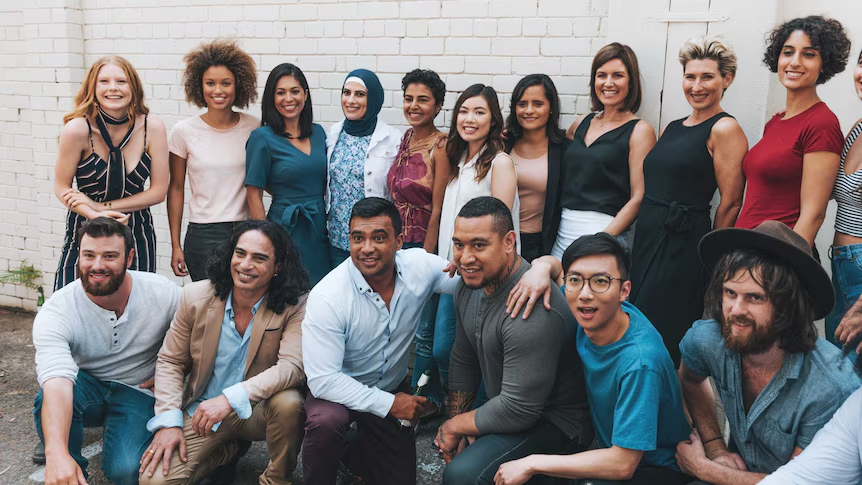
Walking and martial arts are the only two activities in the top 20 with higher participation rates among adults with disabilities compared to the general population (49.2% vs 43.6% for walking).
Culturally and linguistically diverse (CALD) adults are overrepresented in football (soccer), fitness/gym, running, cricket, basketball, and yoga.
Indigenous adults show higher participation in basketball, touch football, netball, cricket, martial arts, and Australian Football.
The bottom line – sports for fitness australia
The AusPlay data tells us we’re moving more as a nation. In 2016, 59.9% of Australians did some form of sport or physical activity at least three times per week. By 2018, that had climbed to 63.0%.
We’re walking. We’re going to the gym. We’re swimming, running, and cycling. And despite all the chat about declining community sport, football (soccer) and Aussie rules are still pulling serious numbers.
The average adult walker racks up 156 sessions per year, each lasting about 40 minutes. Do the math – that’s over 100 hours of walking annually. Not bad for an activity that costs basically nothing.
Maybe the real fitness secret isn’t a fancy gym. It’s just a decent pair of shoes and somewhere to go.
About the Author