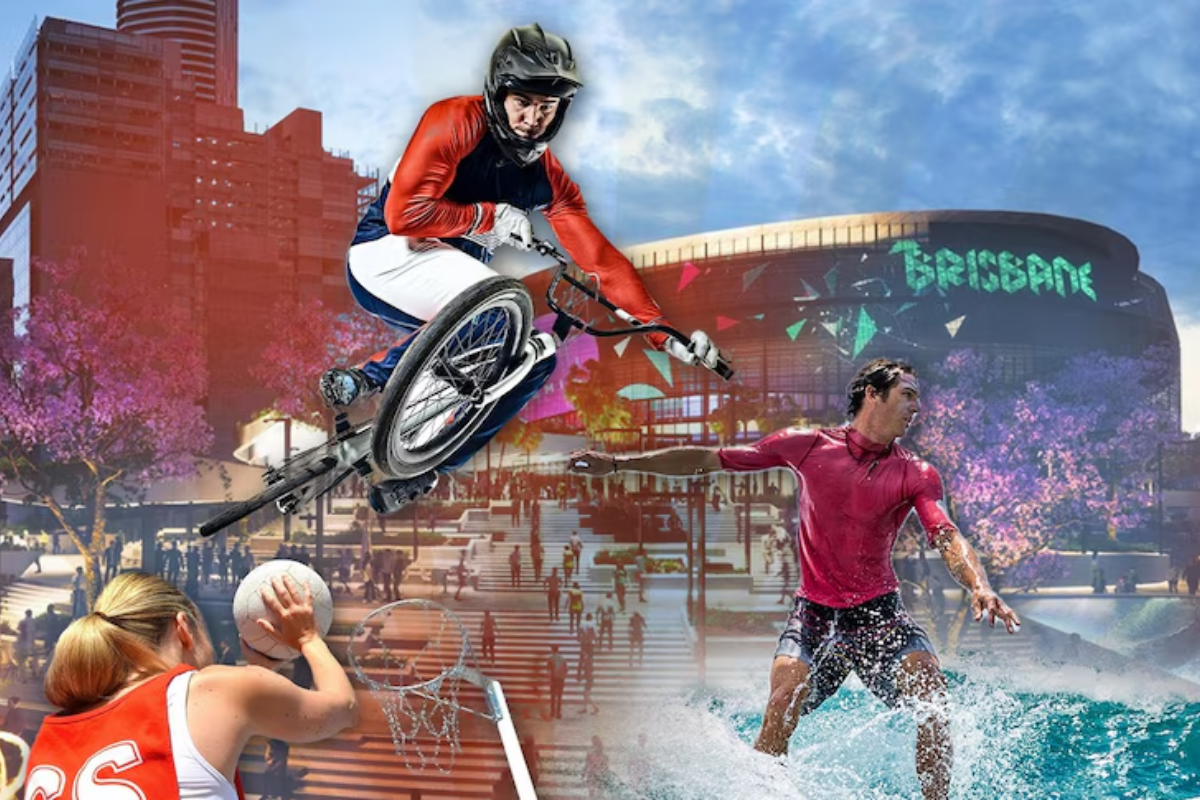
New Sports Brisbane – Let’s break this down the way a senior coach would dissect game footage late on a Sunday night—rewinding, pausing, and zooming in on what really matters. Except instead of analysing a single match or a single team, we’re looking at Australia’s long-term, multi-sport game plan for the new sports Brisbane will host when the world descends on Queensland for the 2032 Olympic and Paralympic Games. And honestly? This strategy might be more important than any one gold medal race.
The Core Game Plan: Winning With Integrity – New Sports Brisbane
Imagine building a champion athlete the same way you’d build a family home that needs to last for decades. You wouldn’t ignore the foundation just to paint the walls faster, would you? You wouldn’t skip the roof repairs because the garden looked nice. That would be crazy. But for years, high-performance sport has done exactly that—chasing medals while burning out the very humans winning them. That’s exactly why the philosophy behind the *Win Well HP 2032+ Strategy* matters so much. Launched back in December 2022, this isn’t just a fluffy mission statement about “feeling good” while competing. It’s a concrete, measurable, and increasingly influential roadmap for creating environments where athletes can breathe, grow, fail safely, speak up when something is wrong, and then come back stronger without losing their love for the sport along the way. Here’s the key stat that should grab your attention: 61 sports organisations are now officially on board with this pledge. And this isn’t a random collection of smaller sports looking for attention. That count includes every single current Olympic, Paralympic, and Commonwealth Games sport in Australia—meaning the entire high-performance ecosystem is now rowing in the same direction for the first time in years.
Who Just Joined the Huddle? – New Sports Brisbane
Eleven new players just pulled up a chair and signed the Win Well pledge. And guess what makes this particular group so interesting? Three of those eleven sports are making their Olympic or Paralympic debuts at LA 2028 before they even get the chance to perform in front of a home crowd at Brisbane 2032. That’s a unique pressure cooker—debuting on the world’s biggest stage in Los Angeles, learning all the hard lessons there, and then turning around four years later to compete with the weight of an entire nation watching from the stands. Let me walk you through a few of the most notable additions:
Other fresh faces on the list include Blind Sports Australia (with CEO Felicity Wilkeson emphasising wellbeing as the “cornerstone” for vision-impaired athletes), Handball Australia (led by former long jumper Bronwyn Thompson), Modern Pentathlon (which acknowledged physical, mental, emotional, and cultural wellbeing all at once—impressive specificity there), and the Australian Fencing Federation (where president Davide Wheeler called this a commitment to a “vibrant, inclusive community”).
What “Win Well” Actually Looks Like on the Ground
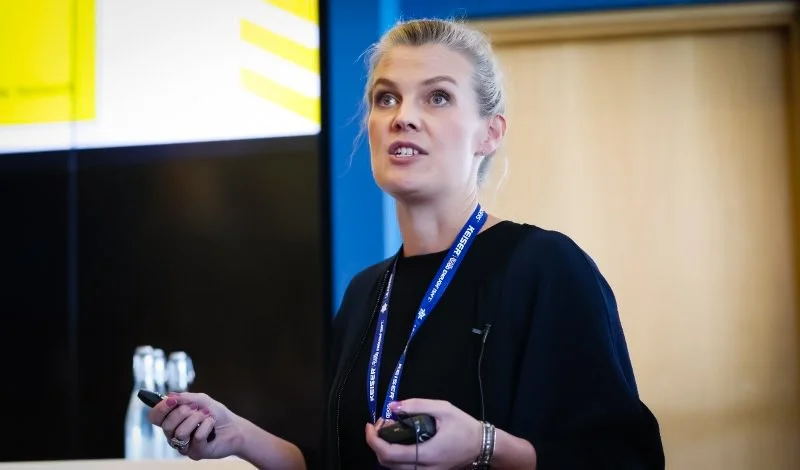
Matti Clements from the Australian Institute of Sport (AIS) put it bluntly during the announcement—and I absolutely love how she framed this: “Wellbeing is the key to sustainable success.” That’s not a nice-to-have. That’s not a poster on the locker room wall that everyone ignores after two weeks. That’s the central operating principle for an entire national sports system moving toward 2032 and beyond. And when Wade Kelly—CEO of American Football Australia, who also happens to be a former professional athlete and coach himself—says that supportive environments are “vital,” you need to stop and listen. He’s been in the trenches. He’s had coaches scream in his face. He’s felt the difference between a culture that builds you up and one that just uses you until you break. A coach screaming on the sidelines might win a single game, sure, but that same coach might lose a player’s long-term love for the sport entirely. And once that love is gone? Good luck getting that athlete to perform when it really matters—like an Olympic quarterfinal in Brisbane.
Let me give you a quick list breakdown of what actually changes on the ground under this strategy, because I know sceptical readers want details, not slogans:
- Athletes get real mental health resources, not just a hotline sticker on a water bottle or a one-off mindfulness seminar. We’re talking embedded psychologists, regular check-ins, and a culture where saying “I’m struggling” is seen as strength, not weakness.
- Coaches are trained and evaluated differently—their success metrics now include athlete growth, retention rates, and wellbeing scores, not just podium finishes and medal counts.
- Sports share knowledge across traditional boundaries instead of hoarding their secrets like dragons sitting on gold. Cricket Australia and Wheelchair Rugby Australia are now formally comparing notes on athlete recovery protocols. That’s huge.
- Pathways are clearer and more inclusive for blind and vision-impaired athletes, as Felicity Wilkeson from Blind Sports Australia pointed out. Wellbeing is the “cornerstone” for her athletes—and she’s absolutely right, because without trust and psychological safety, an athlete with vision impairment cannot fully commit to high-speed, high-risk training environments.
A Quick Reality Check (Because I’m Not Going to Sugarcoat This)

Does this Win Well strategy guarantee that every single Australian athlete will be happy, healthy, and standing on a podium in 2032? No. Let’s be real for a moment. Sport is messy, chaotic, and sometimes brutally unfair. People get injured in freak accidents during warm-ups. Nerves swallow talented performers whole on the biggest nights. Heartbreaks happen. Coaches make bad calls. Referees miss obvious fouls. But here’s the difference: building a system where how you win matters just as much as if you win is exactly how you avoid the burnout scandals, the mental health crises, and the post-career depressions we’ve seen too many athletes suffer through in other countries and other eras. Take Sport Climbing Australia’s Philip Goebel again—because his point really stuck with me. He said that climbers have always valued the “style” of an ascent, not just reaching the summit. In mountaineering culture, how you climb—with integrity, with respect for the mountain, with proper preparation and care for your team—is often discussed more proudly than the summit itself. That’s the quiet revolution happening inside Australian high-performance sport right now. Winning ugly? That’s out. Winning with what the strategy calls “excellence, belonging, courage, and connection”? That’s the new gold standard.
The Long Game to 2032 (And Why You Should Care)
So here’s where we stand as of today. Cricket, lacrosse, flag football, wheelchair rugby, sport climbing, blind sports, handball, modern pentathlon, fencing, and the others are now officially part of the new sports Brisbane will showcase to the world in less than a decade. But more importantly—and this is the part I really want you to walk away with—they’ve all made a written, public, accountable promise to grow their athletes as people first and competitors second. With every single major Olympic, Paralympic, and Commonwealth Games sport now signed onto the Win Well pledge, the pressure in Australian sport shifts from that old, tired question of “will we win enough medals?” to a much more interesting and mature question: “how will we win them, and what will be left of our athletes when the cameras turn off?” That’s a match analysis I can actually get behind. That’s a game plan worth cheering for—not because Australia will definitely top the medal table in 2032, but because the journey there might just leave the nation’s athletes healthier, stronger, and more connected to their sport than when they started. And in my book? That’s the real victory.
About the Author