Karaka 2026 Fillies Guide – You don’t have time for fluffy introductions. The Karaka Millions 2026 filly races are less than three weeks away. Ellerslie is the destination. January 24 is the date. And if you’re backing a 2YO or 3YO filly without knowing the bubble drama, the freshening cycles, or the blinker wildcards, you’re just guessing.
So here is your no-padding, data-first, trainer-quote-free breakdown of everything that actually matters.
First: The Money. Because That’s Why We’re All Here. – Karaka 2026 Fillies Guide
The Karaka Millions night isn’t a warm-up. It’s a million-dollar heist with better manners.
2YO Feature
Prize Pool: $1,000,000
Distance: 1200m
3YO Mile
Prize Pool: $1,500,000
Distance: 1600m
That 3YO purse? It’s a stepping stone. Several fillies in that race have their eyes on the $4 million NZB Kiwi later in the season. Think of the Karaka 3YO Mile as the semifinal. The real jackpot comes after.
The 2YO Bubble Watch: A Musical Chairs Nightmare
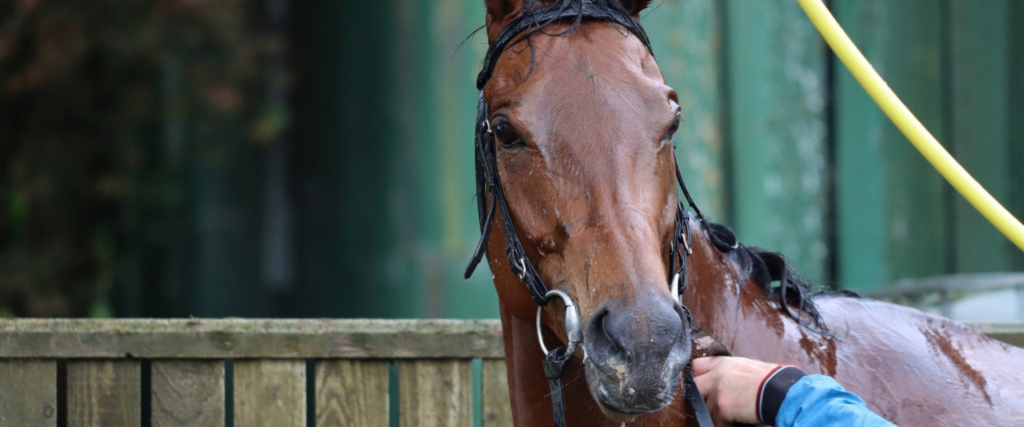
Forget the glamour. The 2YO fillies are living a spreadsheet nightmare right now.
The Order of Entry is updated constantly. Only the top 14 get a guaranteed start. Everyone else? They sweat. And trainers are refusing to “panic run” their horses just to qualify. That means the final field could shift dramatically in the 48 hours before the gates open.
Here is where the 2YO filly contenders stand right now:
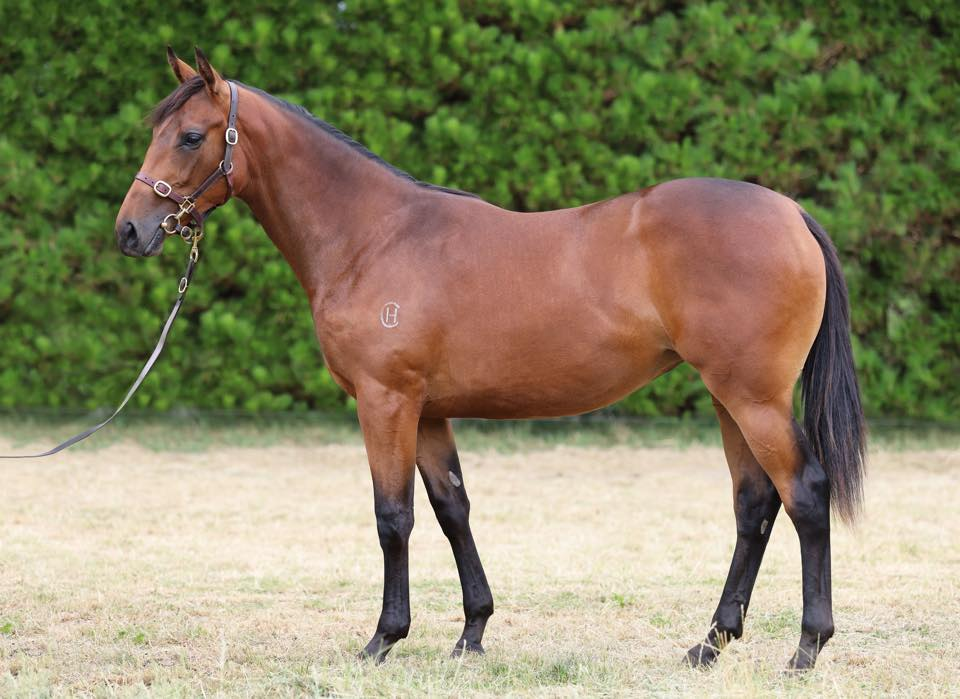
- Sweetest Thing (Hello Youmzain filly) – Safe. Top 14 candidate. Backed by Chris Rutten’s sharp eye. This one has the temperament and the early speed that wins at Ellerslie.
- Lassified (Stay Inside filly) – Also safe. An Australian-bred stakes winner with raw power. She doesn’t just win. She bullies her way past tired rivals.
- State The Obvious – Danger zone. Currently sitting 20th in the order with only $11,285 in earnings. That puts her as the 6th emergency. She needs at least four horses above her to scratch. Her camp is hoping, not planning.
And that last point is critical. If State The Obvious misses the cut, her connections have already signaled a “Plan B”: the Matamata Breeders’ Stakes (Group 2). That’s a high-class consolation prize, but it’s not a million-dollar night under lights.
Why the 2YO Fillies Are Different This Year
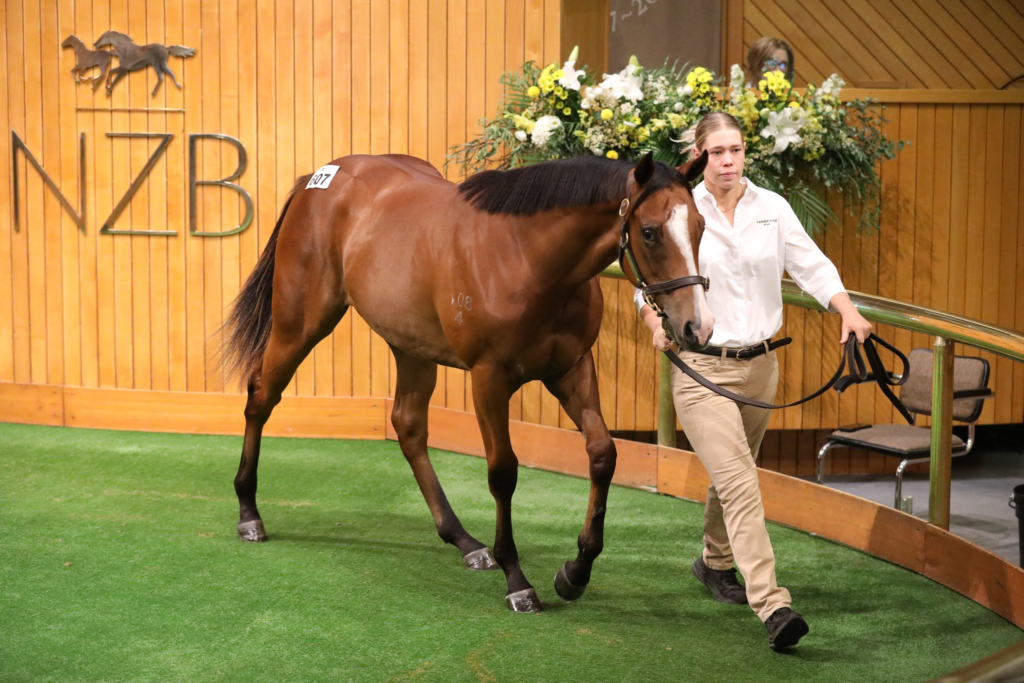
A specific trend is emerging in the juvenile ranks: the Sword Of State factor.
First-season sires are always a gamble. But the Sword Of State fillies are showing two unusual traits:
- They are strong – not just fast, but physically developed beyond their months.
- They are kind – that matters at Ellerslie. The crowd noise, the lights, the pressure. A “kind” horse doesn’t boil over.
Trainers are privately saying this is the most professional 2YO filly crop in five years. That’s not marketing hype. That’s coming from people who have to strap themselves into the saddle.
The 3YO Heavyweights: Class vs. Consistency
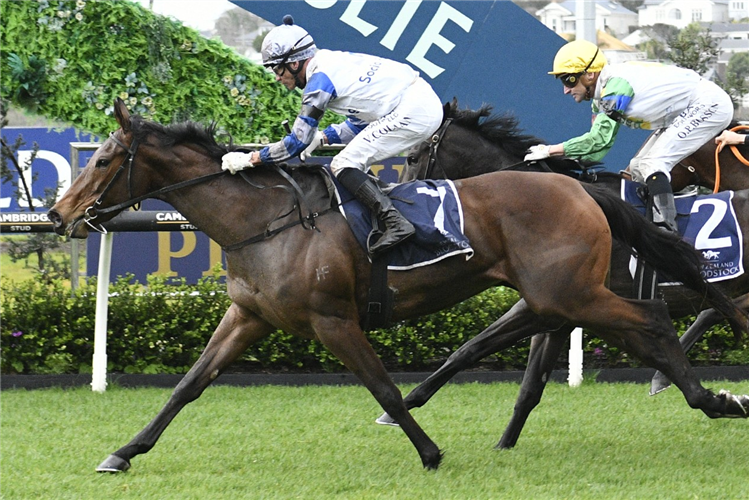
Now let’s talk about the older girls. The $1.5 million 3YO Mile is a different beast entirely.
You cannot win this race on speed alone. You need:
- 1600m stamina
- Tactical awareness
- A horse that has already proven itself in stakes company
Here is the current 3YO filly hierarchy, stripped of sentiment.
Lollapalooza (Team Williams) – The queen. Undisputed favorite. She comes into this off a strong third in the Eight Carat Classic (Group 2). Her team has openly said the ultimate target is the $4M NZB Kiwi. That means the Karaka 3YO Mile is a means to an end. She doesn’t need to win. She needs to run well and stay healthy. That’s a dangerous mindset for punters to price.
Fleeting Star (Walker/Bergerson) – The definition of boring. And I mean that as a compliment. Six starts. Six podium finishes. No wins? Who cares. She is sensible, tough, and always there at the finish line. At Ellerslie, with its long straight, that reliability becomes a weapon.
Romilly – The wildcard. New blinkers are being added for her lead-up run in the Jo Giles Stakes (1400m). Why does that matter? Because Romilly has a habit of losing focus mid-race. The blinkers narrow her vision. They tell her: straight ahead, no distractions. If they work, she becomes a genuine podium threat. If they don’t, she’s gone by the 800m mark.
Trainer Tactics: The Mind Games Behind the Mile – Karaka 2026 Fillies Guide
Here is what casual fans miss. The Karaka Millions isn’t just a horse race. It’s a chess match between stables.
The Te Akau problem.
That stable has won 8 of the last 9 editions of the 2YO feature. Eight. Out of nine. The “Tangerine Machine” is not a meme. It’s a statistical anomaly. Every other trainer knows they cannot beat Te Akau by playing the same game. So they don’t try.
Instead, rival camps are doing two things:
1. The “Short Freshen-Up” Cycle
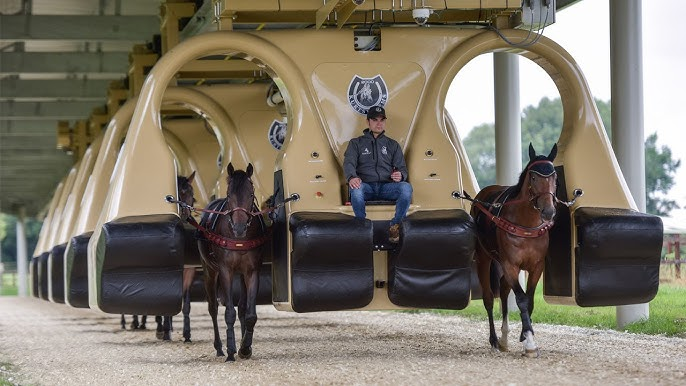
Instead of racing fillies every three weeks, they send them to the paddock for 10–14 days of complete rest. Then they bring them back with two sharp trials and straight to Ellerslie. Lollapalooza’s camp used this exact method. The theory: the horse arrives with “batteries at 100%” while Te Akau’s runners might be carrying residual fatigue from a busier prep.
2. Gear Shifts as Misdirection
Romilly’s blinkers are the obvious example. But watch the race-day gear reports. Trainers will add tongue ties, change bits, or remove visors at the last minute. Sometimes it’s genuine. Sometimes it’s just noise to make you overthink your bet.
The Qualifying Drama No One Is Talking About
Let me be blunt: the Order of Entry system for the 2YO race is brutal.
You qualify based on stakes earnings. That favors horses who have run in higher-purse races earlier in the season. But here’s the catch – some of the most talented fillies have been deliberately saved for this race. They have low earnings because they’ve only had one or two starts. That puts them on the emergency list despite being faster than half the guaranteed starters.
State The Obvious is the poster child for this problem. 6th emergency. Enough ability to win. But currently watching from the outside.
Trainers are lobbying quietly for a change to the system. Nothing will happen for 2026. But expect this to become a major talking point for 2027.
The 100th Sale Milestone: Why This Year Feels Different
New Zealand Bloodstock is celebrating the 100th National Yearling Sale in 2026. That’s not just a number. It means every race on Karaka night has a layer of historical weight.
The fillies running on January 24 are not just chasing prize money. They are performing in front of the biggest international buying bench seen in a decade. American, Australian, and Japanese bloodstock agents will be trackside. A strong run – even without a win – can add $200,000 to a filly’s breeding value overnight.
That changes how trainers race. You might see a horse get pulled back if she’s out of contention. You might see a jockey protect a filly rather than push for 5th place. It’s not cynical. It’s business.
What to Watch for in the Final 48 Hours – Karaka 2026 Fillies Guide
Between now and the 4:00 PM scratchings on January 23, here is your checklist:
- Emergency movements – If two horses above State The Obvious withdraw, she’s in. Watch for veterinary reports.
- Track conditions – Ellerslie can go from Good 4 to Soft 6 overnight. Lollapalooza prefers firm ground. Romilly likes cut.
- Barrier draws – For 2YO fillies at 1200m, draw 1 is gold. Draw 12 is a coffin.
- Jockey bookings – If a top jockey jumps off a favorite to ride an emergency, ask why.
The Bottom Line – Karaka 2026 Fillies Guide
January 24 at Ellerslie is not just another race night. It is the intersection of 100 years of breeding history and the high-stakes future of Australasian racing.
The 2YO fillies bring precocious speed and bubble-watch drama.
The 3YO fillies bring Group 1 credentials and tactical depth.
And behind every horse is a trainer playing chess while everyone else plays checkers.
Whether you’re backing Lollapalooza, sweating on State The Obvious, or just here for the atmosphere – this Karaka 2026 Fillies Guide has given you the angles that matter.
Now stop reading. Start studying the order of entry. And get ready for the gates to fly open.
About the Author