Managing Athlete Heat Stress – If yoAs the Bureau of Meteorology issues warnings for a blistering weekend across New South Wales, the sporting community faces a challenge far greater than any opponent on the field. When temperatures soar into the low 40s, the human body transitions from a performance machine to a system in survival mode.
The Science of “Heat Haze” in Performance
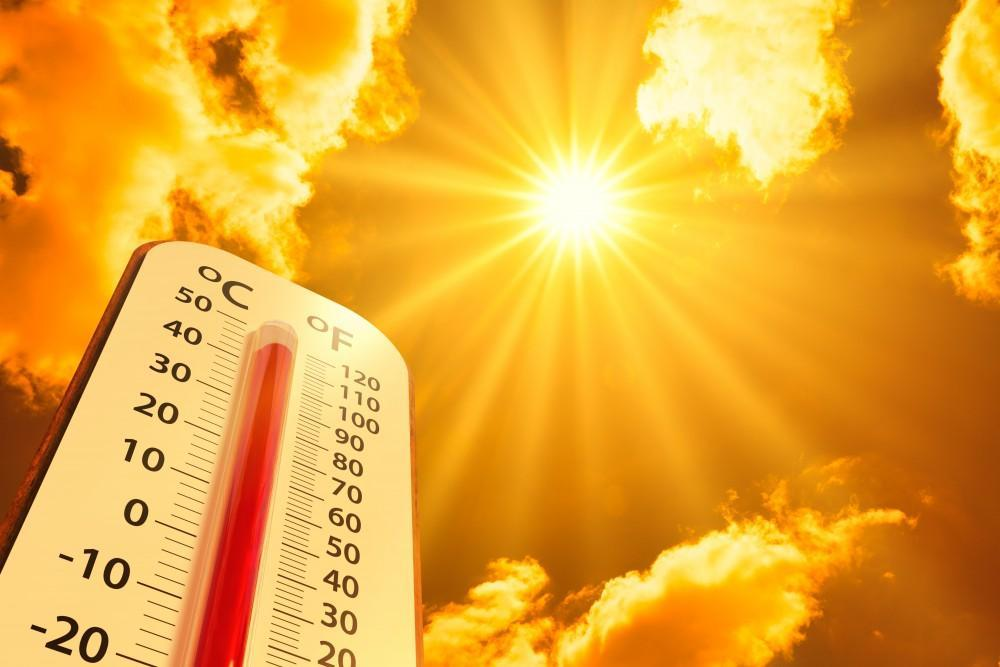
It’s not just your muscles that feel the burn; it’s your brain. Research shared by NSW Health and highlighted by The Guardian indicates that extreme heat creates a “cognitive lag.” Before a player physically collapses, their ability to process information slows down.
- Reaction Times: Expect a noticeable dip in split-second decision-making.
- Precision: Sports like cricket, netball, and tennis see a spike in unforced errors as coordination falters under thermal stress.
Tactical Adaptation: A New Way to Play
Coaches and officials are being urged to move away from traditional intensity. This weekend is about efficiency, not effort.
Hydration: The 48-Hour Rule

Effective hydration doesn’t happen at the water station; it happens in the days leading up to the event. Experts emphasize that once you feel thirsty in 40°C weather, you are already significantly dehydrated.
- The Electrolyte Factor: Plain water isn’t enough when you’re losing liters of sweat. Salt and mineral replacement is vital to prevent cramping and maintain blood volume.
- The Friday Prep: Start increasing fluid intake at least 24 to 48 hours before kick-off to ensure your cells are fully saturated.
Environmental Red Flags: Smoke and Fire – Managing Athlete Heat Stress
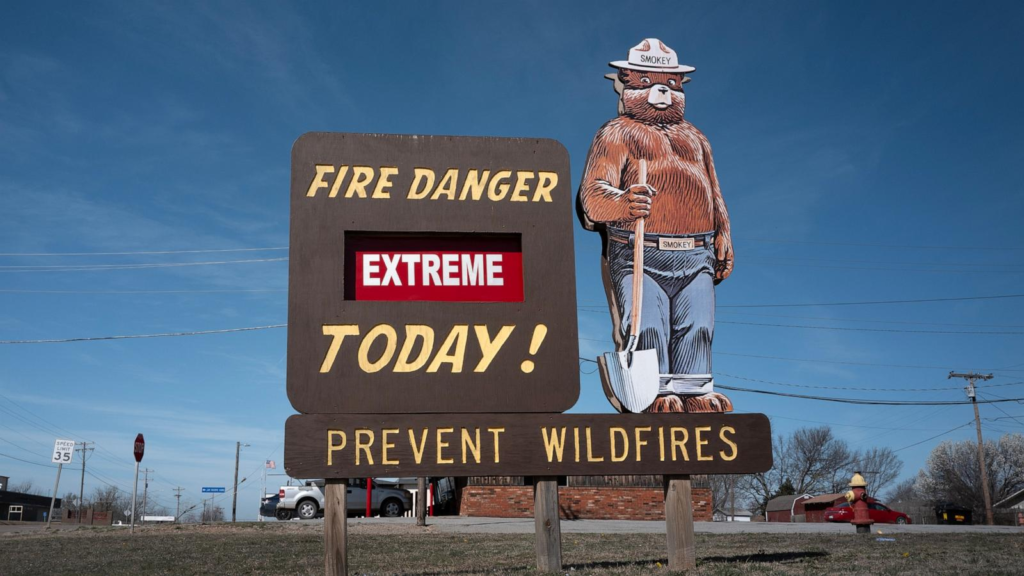
In regions like the Hunter, Central West, and Illawarra, the heat brings a secondary threat: extreme fire danger. As noted by Sky News, match officials must be hyper-vigilant regarding air quality.
Note for Officials: If smoke is visible or wind directions shift toward the ground, matches should be suspended immediately. High-intensity exercise in smoky conditions can cause long-term respiratory strain.
Post-Match: The “Second Half” of Safety – Managing Athlete Heat Stress
The risk doesn’t vanish when the clock stops. Managing the “afterburn” is critical for long-term recovery and safety.
- Passive Cooling: Utilize ice vests, cold towels on the neck, and shaded rest zones.
- Monitoring: Watch for signs of heat exhaustion—nausea, dizziness, or unusually cold/clammy skin—even an hour after the game ends.
- Rehydration: Continue sipping electrolyte-rich fluids well into the evening to counteract the day’s losses.
A Gentle Reminder for the Weekend – Managing Athlete Heat Stress

While the competitive spirit runs deep in Aussie sport, it is important to remember that no trophy is worth a trip to the emergency room. If you are a coach, parent, or athlete, please listen to your body and the environment. If the conditions exceed 38–40°C, the bravest move isn’t staying on the field—it’s knowing when to call it a day. Stay in the shade where possible, look out for your teammates, and prioritize health over the highlights. Stay safe, stay hydrated, and keep an eye on each other out there.
About the Author