Popyrin tactical collapse – You read that right. Forty. Aces.
In almost any other tennis match on any other court, that number guarantees a handshake at the net and a spot in the next round. But for Alexei Popyrin, the 2026 Australian Open became a nightmare dressed in statistical glory. The local hope — ranked No. 49 and desperate to snap a seven-match losing streak — walked off John Cain Arena with nothing but a calf injury, a broken spirit, and a question mark hanging over his entire season.
Alexandre Muller, the unassuming Frenchman, didn’t win by overpowering the so-called “Hammer.” He won by surviving him.
Let’s rewind. The opening set was pure aggression. Popyrin came out swinging like a man who had forgotten what losing felt like. The crowd — a roaring, beer-fueled wall of blue and gold — carried him through the first hour. But as the match stretched past three hours, then four, the tactical cracks began to show. And by the time the final super tiebreak landed, the Aussie had transformed from a powerhouse into a player second-guessing every single forehand.
The Numbers That Lie (And the Ones That Tell the Truth) – Popyrin tactical collapse
On the surface, Popyrin dominated the scoreboard’s “highlight” columns. But tennis isn’t played on a spreadsheet. The table below shows the raw data — and also hides the real story.
| Metric | Alexei Popyrin | Alexandre Muller | What It Actually Means |
|---|---|---|---|
| Aces | 40 | 12 | Popyrin served out of his mind, but Muller neutralized the rest. Serve Dominance |
| Winners | 68 | 41 | Aggression worked — until it didn’t. Aggression |
| Unforced Errors | 52 | 34 | The killer. Popyrin gave away almost two full sets. Match Cost |
| Break Points Saved | 4 / 7 | 6 / 9 | Muller was more clutch on critical points. Clutch Factor |
| Super Tiebreak | 4 | 10 | Not even close when it mattered most. Decider |
Here’s the uncomfortable truth: Popyrin didn’t lose because he played badly. He lost because Muller forced him to play one more ball than he wanted to, again and again and again.
The Fourth-Set Tiebreak: A Five-Point Funeral
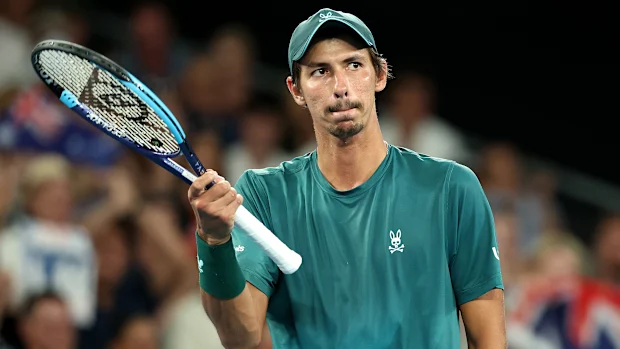
Let’s talk about the exact moment the match slipped through Popyrin’s fingers.
Leading the fourth-set tiebreak 5-2. One hand on a two-sets-to-one lead. The crowd already practicing their victory chants. Then — collapse.
- At 5-4: Popyrin nets a routine forehand. Just a split second of hesitation. The Frenchman smells blood.
- At 5-5: Another aggressive shot finds the tape. Muller hasn’t done anything special — just kept the ball deep and waited.
- At 5-6: Set point against. Popyrin goes for a line-hugging backhand. Out by two inches.
The tiebreak ends 7-5 Muller. But the damage isn’t just a lost set. It’s a lost identity. From that moment on, every rally feels like a negotiation Popyrin is losing.
And then came the fifth set.
Serving for the match at 5-3, Popyrin steps to the baseline. Fifteen seconds later, he’s been broken at love. Zero points. Four unforced errors. The Hammer? He looked more like a carpenter who forgot his toolbox.
Physical Limits, Audio Glitches, and a Calf That Said “No” – Popyrin tactical collapse

Two moments outside of Popyrin’s control — and one entirely inside — sealed his fate.
The Calf Tightening (Inside his control? Not really.)
Midway through the fourth set, Popyrin called for the physio. A tightening left calf. The same leg that had plagued him during training weeks earlier. He stretched, winced, and carried on. But from that point forward, his movement to the forehand side lost half a step. Against a defender like Muller, half a step is a mile.
The Audio Glitch (Absolutely bizarre.)
With momentum shifting wildly in the fifth set, stadium speakers emitted a screeching feedback loop. Play stopped. For nearly ten full minutes, both players stood around while technicians scrambled. For a rhythm-based power hitter like Popyrin, this was a disaster. Muller — a grinder by trade — used the break to rehydrate, reset his defensive positioning, and literally watch the urgency drain from his opponent’s body language.
When play resumed, Popyrin’s first serve percentage dropped from 68% to 51%. Coincidence? Not a chance.
Ranking Nightmare: Where Does Popyrin Go From Here? – Popyrin tactical collapse

Let’s be blunt. This loss hurts far more than pride.
Entering the 2026 Australian Open ranked No. 49, Popyrin was already teetering on the edge of direct entry into Masters 1000 events. This defeat — his seventh consecutive loss dating back to the 2025 US Open — triggers a significant rankings slide.
- Points lost: He failed to defend his 2025 Melbourne points.
- Projected new ranking: Somewhere around No. 62–65.
- Consequences: Qualifying draws for Indian Wells and Miami. Tougher opening rounds. Less favorable seeding.
Meanwhile, fellow Australians like Alex de Minaur are grinding out ugly wins and climbing. Popyrin? He’s going backward. And in a tour as unforgiving as the ATP, backward momentum is the hardest thing to reverse.
The Mental Gap: Power Without Patience Is Just Noise

Here’s the uncomfortable conversation Popyrin needs to have with his coaching team.
He has elite weapons. The serve is top-10 caliber on a good day. His forehand, when timed correctly, can bully anyone off the court. But tennis at the Grand Slam level isn’t about what you can do in the first hour. It’s about what you can do in the fourth hour, after two momentum shifts, a physio visit, and a crowd that’s holding its breath.
Muller won because he never tried to out-hit Popyrin. He out-thought him.
- Muller’s average rally length in the first set: 4.2 shots.
- Muller’s average rally length in the fifth set: 7.8 shots.
See the pattern? The Frenchman deliberately dragged Popyrin into deep waters, knowing the Australian’s error rate would spike past five shots. And it did. Repeatedly.
What’s Next for the Hammer?
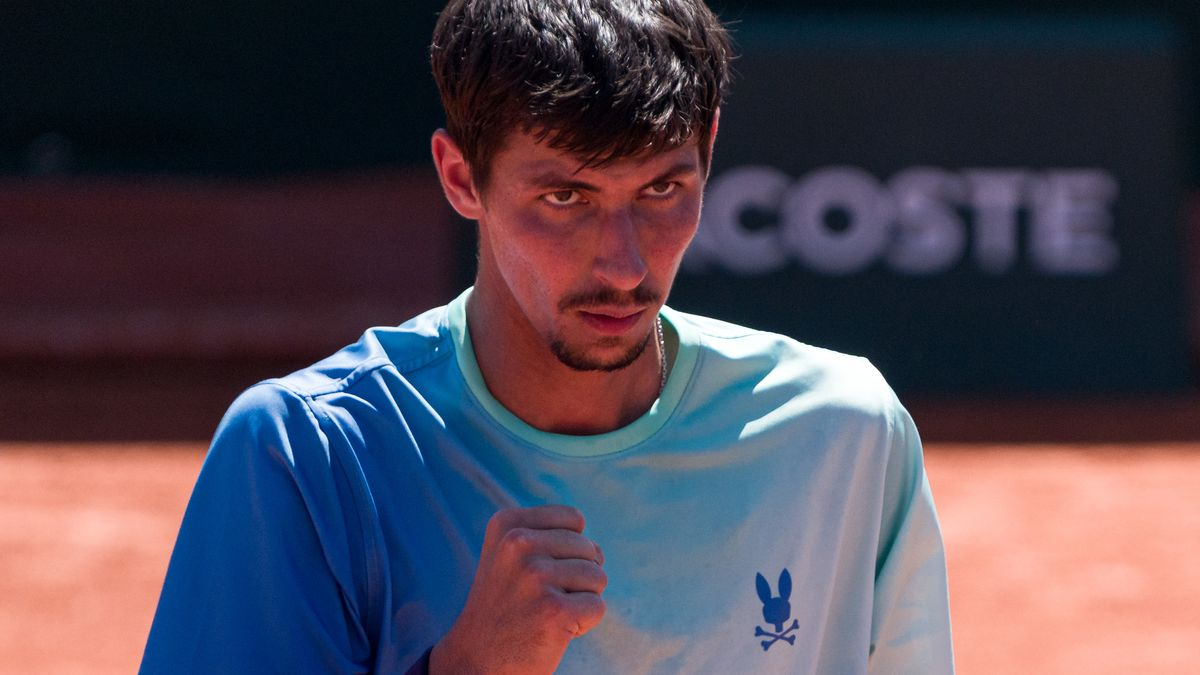
The hard-court swing in Dubai is now a lifeline — not an opportunity. Popyrin needs wins. Not pretty wins. Ugly, gritty, “I-don’t-care-how-I-get-there” wins.
His team will likely focus on two things:
- Shot selection under fatigue: Drills that force decision-making in the 8–10 shot range.
- Between-point routines: Slowing down his own heartbeat after big moments.
The raw power is still there. Forty aces don’t lie. But power without a plan is just noise. And in Melbourne, that noise was answered by a quiet, relentless Frenchman who simply refused to miss at the right moments.
For Alexei Popyrin, the 2026 Australian Open ends not with a bang, but with a whispered question: When will he learn to close?
About the Author